Amphetamines
$0.00
$0.00
Description
Amphetamines: Pharmacology, Effects, Risks & Research
Amphetamines are a group of synthetic central nervous system stimulant compounds that have been extensively studied in medicine, neuroscience, pharmacology, and toxicology. Amphetamine itself is the primary compound in this class, while related substances may have different pharmacological properties and clinical applications. Research on amphetamines includes their effects on neurotransmitter systems, attention and wakefulness, cardiovascular function, dependence, and long-term health outcomes.
Amphetamines primarily influence monoamine neurotransmitters, particularly dopamine and norepinephrine. These neurotransmitters play important roles in attention, alertness, motivation, reward, and physiological arousal. The effects and risks associated with amphetamines depend on the specific compound, medical context, individual characteristics, and exposure.
What Are Amphetamines?
Amphetamines are synthetic compounds belonging to the phenethylamine family. They are classified as central nervous system stimulants because they increase activity in several neural pathways.
Some amphetamine-based medicines have recognized medical applications and are prescribed under controlled conditions in certain countries. Clinical use is based on an individual's diagnosis, medical history, age, other medications, and professional monitoring.
The broader term "amphetamines" can refer to amphetamine itself as well as closely related compounds. These substances should not automatically be considered interchangeable because their potency, duration, metabolism, and medical status can differ.
How Amphetamines Affect the Brain
Amphetamines influence the activity of several monoamine neurotransmitter systems. Their effects include changes in dopamine and norepinephrine signaling, which can increase neural activity associated with attention and arousal.
- Dopamine: contributes to motivation, reward, movement, learning, and reinforcement.
- Norepinephrine: contributes to attention, alertness, cardiovascular activity, and the body's stress response.
- Serotonin: certain amphetamine-related compounds can also influence serotonin signaling to varying degrees.
These neurochemical effects help explain both the therapeutic effects of some prescription amphetamine medicines and the potential for adverse effects and dependence.
Medical Uses and Clinical Context
Certain amphetamine-based medicines have been used clinically for conditions involving attention and impulse regulation and, in some jurisdictions, other specific medical indications. When prescribed, treatment is generally individualized and monitored by a healthcare professional.
Clinical decisions can involve assessment of cardiovascular health, psychiatric history, other medications, treatment response, and potential adverse effects. A prescribed stimulant should only be used according to the instructions of the treating healthcare professional.
Reported Effects
Stimulant activity from amphetamines can influence alertness, attention, wakefulness, appetite, heart rate, and blood pressure. The nature and intensity of effects vary between compounds and individuals.
Potential Effects
- Increased alertness and wakefulness
- Changes in attention and concentration
- Reduced appetite
- Increased heart rate
- Elevated blood pressure
- Difficulty sleeping
- Anxiety, restlessness, or agitation
Not everyone experiences the same effects, and unwanted effects can occur even when a stimulant is used in a clinical setting. Healthcare professionals may adjust treatment when adverse effects become significant.
Potential Side Effects
Amphetamine-related side effects can involve the cardiovascular, neurological, gastrointestinal, and psychiatric systems. Common or clinically relevant effects may include reduced appetite, insomnia, nervousness, headache, increased heart rate, and elevated blood pressure.
More serious reactions are possible, particularly with excessive exposure, interactions with other substances, or underlying medical conditions. Severe cardiovascular or neurological symptoms require prompt medical assessment.
Amphetamines and Cardiovascular Health
Because amphetamines increase sympathetic nervous system activity, they can affect cardiovascular function. Heart rate and blood pressure may increase, and some individuals may be more susceptible to cardiovascular complications than others.
Clinical evaluation may therefore consider cardiovascular history and other risk factors before and during treatment with an amphetamine-based medicine.
Dependence and Substance-Use Disorder
Amphetamines can influence the brain's reward pathways, and repeated exposure can contribute to changes in reinforcement and patterns of substance use. Some forms of non-medical amphetamine exposure can result in dependence and substance-use disorder.
Amphetamine use disorder is a recognized clinical condition. Treatment can involve behavioral therapies, medical assessment, supportive services, and management of associated physical or mental-health concerns.
Amphetamines and Mental Health
Amphetamines can affect mood, sleep, anxiety, and behavior. Sleep disruption and excessive stimulant exposure may contribute to significant psychological symptoms in some individuals.
People who experience persistent anxiety, severe agitation, confusion, paranoia, or substantial changes in behavior should seek professional medical evaluation. Symptoms can have multiple possible causes and should not be self-diagnosed.
Interactions With Other Medicines
Amphetamines can interact with other medicines and substances. Certain combinations may alter cardiovascular effects, neurotransmitter activity, or the way a medicine is metabolized.
Because interaction risks depend on the exact substances involved, patients should provide healthcare professionals with a complete list of prescription medicines, non-prescription medicines, and supplements they use.
Research and Neuroscience
Amphetamines remain an important subject in neuroscience and clinical research. Researchers study how stimulant medicines influence attention, executive function, reward pathways, neurotransmitter transport, and long-term patterns of brain adaptation.
Research also examines the differences between therapeutic stimulant treatment and non-medical exposure, including differences in clinical monitoring, formulation, individual risk factors, and treatment objectives.
Amphetamine Pharmacology
At the pharmacological level, amphetamine-related compounds can influence monoamine transporters and intracellular processes involved in neurotransmitter release and signaling. These mechanisms contribute to changes in dopamine and norepinephrine activity.
The pharmacokinetic profile of an amphetamine depends on factors such as the specific compound, formulation, metabolism, and individual physiology. Consequently, different amphetamine medicines may have different durations of action and clinical characteristics.
Product and Compound Variability
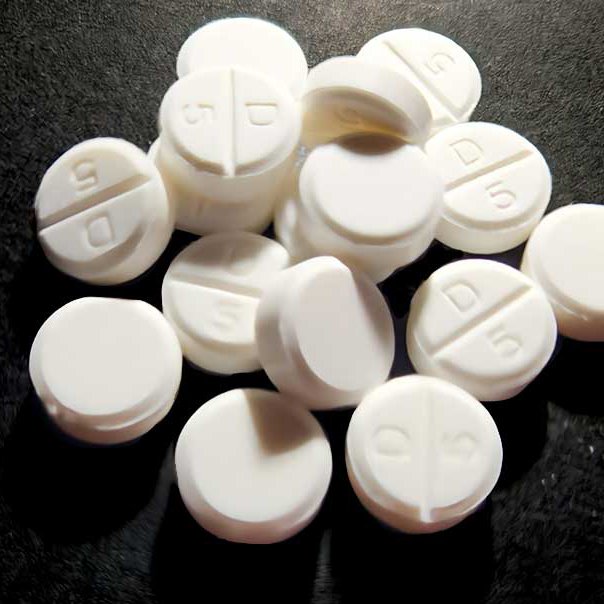
Products outside regulated medical channels may have uncertain composition or concentration. An apparent amphetamine product may contain unexpected substances, making its pharmacological effects difficult to predict.
This variability is particularly important in toxicology and public-health research because unexpected ingredients can change the potential health risks associated with exposure.
Key Takeaways
- Amphetamines are synthetic central nervous system stimulants.
- They primarily influence dopamine and norepinephrine signaling.
- Certain amphetamine-based medicines have recognized medical applications under professional supervision.
- Potential effects include increased alertness and changes in attention, heart rate, blood pressure, appetite, and sleep.
- Excessive or inappropriate exposure can result in serious cardiovascular, neurological, or psychiatric complications.
- Repeated non-medical exposure can contribute to dependence and substance-use disorder.
- Ongoing research continues to examine amphetamine pharmacology, therapeutic applications, dependence, and long-term health effects.
Editorial & Medical Information
This page is intended for general educational and scientific information about amphetamines. It does not replace individualized medical advice, diagnosis, or treatment. Prescription stimulant treatment should be managed by an appropriately qualified healthcare professional.