Healthcare Store
Browse premium healthcare products with worldwide shipping, secure checkout and discreet packaging.
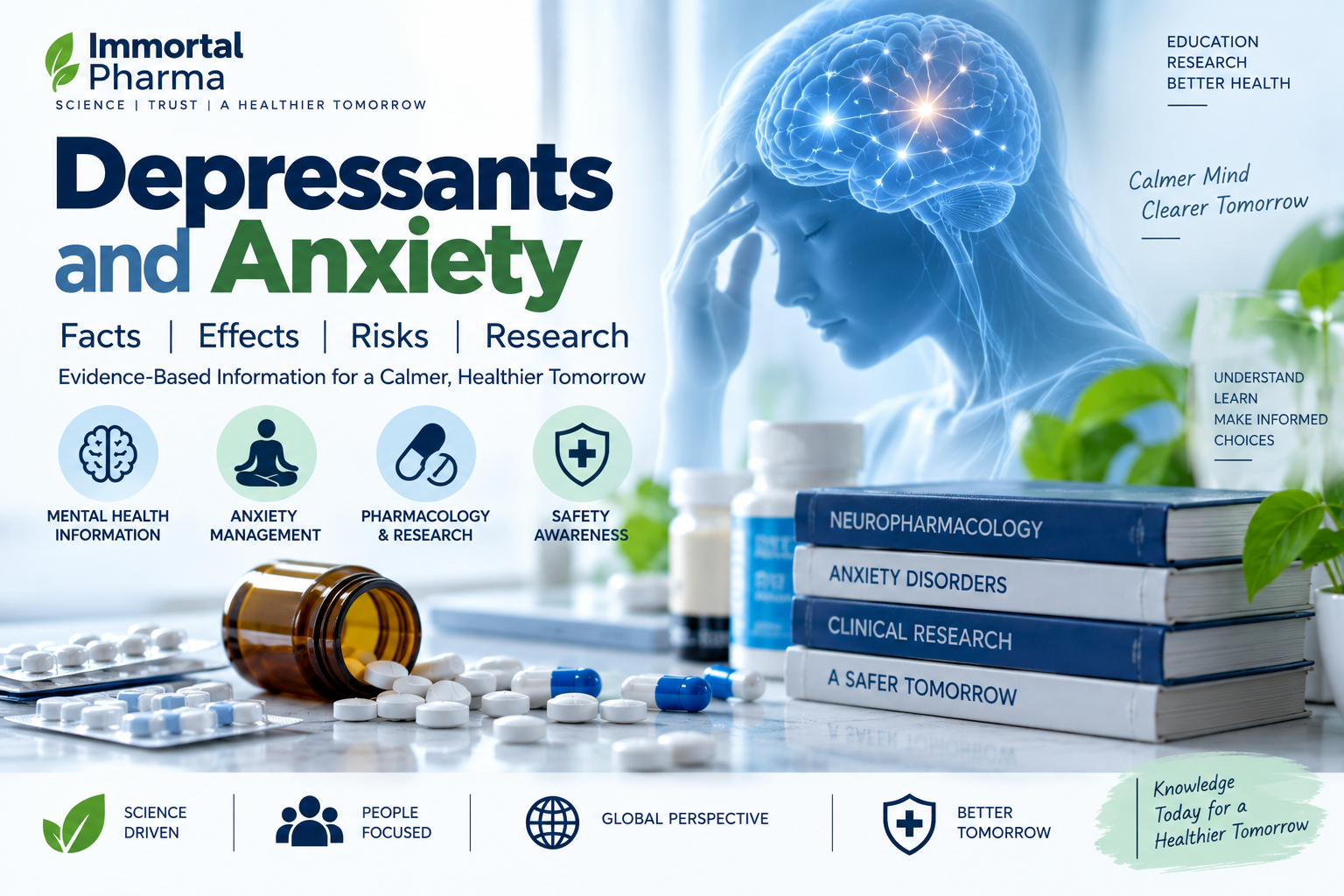
Depressants and Anxiety
Our Products
16 products found

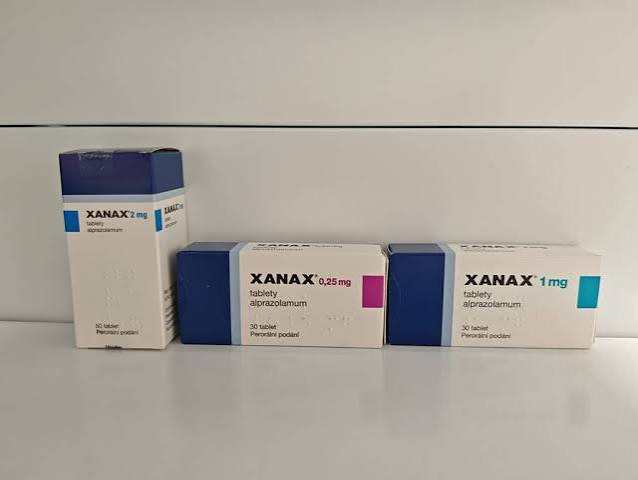




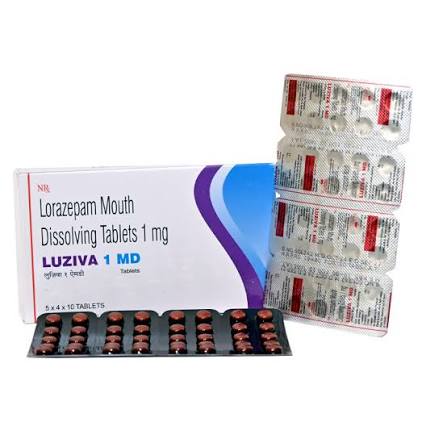


Depressants and Anxiety
<div class="category-description">
<h2>Depressants and Anxiety: Educational Information, Effects, Risks & Research</h2>
<p><strong>Depressants</strong> are a broad group of substances that reduce activity within the central nervous system. Depending on the specific substance, depressants may influence brain signaling, muscle activity, alertness, sleep, anxiety, coordination, and other physiological functions. Some medicines with depressant properties have established medical applications, while others are studied in pharmacology, neuroscience, toxicology, and mental-health research.</p>
<p>The relationship between <strong>depressants and anxiety</strong> is complex. Some medicines that reduce central nervous system activity may be prescribed for particular anxiety-related conditions, sleep problems, seizures, or other medical indications. However, depressant substances can also produce unwanted effects, tolerance, physical dependence, impaired coordination, and other health risks. The effects depend on the specific substance, individual health factors, duration of use, and interactions with other medicines or substances.</p>
<h2>What Are Depressants?</h2>
<p>Central nervous system depressants are substances that decrease or slow certain forms of neurological activity. The term does not necessarily mean that these substances cause depression. Instead, “depressant” refers primarily to their effects on nervous-system activity.</p>
<p>Different depressants work through different biological mechanisms. Some influence inhibitory neurotransmitter systems, while others affect specific receptors or signaling pathways. Because the category contains substances with different pharmacological properties, their medical uses, effects, and safety profiles can vary considerably.</p>
<h2>Depressants and Anxiety</h2>
<p>Anxiety involves emotional and physiological responses that can include excessive worry, fear, nervousness, restlessness, and physical symptoms. Certain medications with central nervous system depressant properties may be used in carefully selected clinical situations to reduce anxiety symptoms.</p>
<p>However, not every depressant is an appropriate treatment for anxiety. Some medicines are intended only for short-term or specific clinical use because prolonged exposure may lead to tolerance or dependence. Treatment decisions should therefore be based on the individual's symptoms, medical history, diagnosis, other medications, and guidance from a qualified healthcare professional.</p>
<h2>How Depressants Affect the Brain</h2>
<p>Depressants can modify communication between nerve cells by affecting inhibitory and excitatory signaling systems. Increased inhibitory activity can reduce nervous-system activity and may produce effects such as relaxation, sedation, reduced anxiety, or sleepiness.</p>
<p>These same effects can also reduce alertness and coordination. With some depressant substances, excessive exposure can significantly impair brain functions that control breathing and consciousness, making safety an important consideration.</p>
<h2>Potential Effects of Depressants</h2>
<p>The effects of depressants vary according to the specific substance and the individual. Some commonly reported effects may include:</p>
<ul>
<li>Relaxation or reduced nervous-system activity</li>
<li>Sleepiness or sedation</li>
<li>Reduced anxiety in certain clinical situations</li>
<li>Slower reaction time</li>
<li>Reduced concentration and alertness</li>
<li>Impaired coordination or balance</li>
<li>Changes in memory and cognitive performance</li>
<li>Changes in mood or emotional responses</li>
</ul>
<h2>Medical Uses and Research</h2>
<p>Certain central nervous system depressants have legitimate medical applications. Depending on the medicine, these may include selected anxiety disorders, sleep-related conditions, seizure disorders, muscle-related conditions, or other specific clinical indications.</p>
<p>Depressant medicines continue to be studied in pharmacology and clinical research. Researchers investigate their mechanisms of action, therapeutic effectiveness, pharmacokinetics, adverse effects, drug interactions, dependence potential, and approaches for improving treatment safety.</p>
<p>It is important to distinguish evidence from controlled clinical research from general claims about depressant substances. A medicine that is prescribed for a particular condition under medical supervision should not be assumed to be safe or appropriate for unsupervised use.</p>
<h2>Potential Side Effects and Risks</h2>
<p>Depressants can cause adverse effects involving the brain, nervous system, and other organs. The severity of these effects depends on the individual substance and circumstances. Some depressants may cause substantial sedation or impairment, particularly when combined with other substances that also reduce central nervous system activity.</p>
<ul>
<li>Excessive drowsiness or sedation</li>
<li>Dizziness and impaired coordination</li>
<li>Reduced concentration and alertness</li>
<li>Memory or cognitive difficulties</li>
<li>Confusion in some individuals</li>
<li>Physical dependence with repeated exposure to certain substances</li>
<li>Withdrawal symptoms after stopping some medicines abruptly</li>
<li>Dangerous suppression of breathing with certain substances or combinations</li>
</ul>
<h2>Depressants, Dependence and Tolerance</h2>
<p>Some depressant medicines can produce <strong>tolerance</strong> and physical dependence when used repeatedly. Tolerance means that the body's response to a substance can change over time. Physical dependence means that stopping or substantially reducing exposure after regular use can result in withdrawal symptoms.</p>
<p>These concepts are different from substance use disorder, although dependence can occur alongside problematic substance use. Anyone who has been taking a prescribed depressant regularly should not make abrupt treatment changes without discussing them with a healthcare professional.</p>
<h2>Drug Interactions and Safety</h2>
<p>Drug interactions are particularly important with central nervous system depressants. Combining substances that have sedating effects can increase impairment and may increase the risk of serious complications. Certain combinations can also affect breathing, consciousness, coordination, or cardiovascular function.</p>
<p>Patients should tell their healthcare professional about prescription medicines, over-the-counter medicines, supplements, and other substances they use. Professional review can help identify potential interactions and determine whether a particular treatment is appropriate.</p>
<h2>Depressants in Mental-Health Research</h2>
<p>Research into depressants and anxiety contributes to a broader understanding of how brain signaling influences fear, stress, sleep, emotional regulation, and behavior. Researchers study both the therapeutic potential and limitations of medicines that affect inhibitory neurotransmission.</p>
<p>Modern research also considers alternative approaches to anxiety treatment, including psychological therapies and medicines with different mechanisms. The goal is to improve symptom management while reducing unnecessary exposure to adverse effects, tolerance, dependence, and other treatment-related risks.</p>
<h2>Key Points About Depressants and Anxiety</h2>
<ul>
<li>Depressants reduce or modify activity within the central nervous system.</li>
<li>The term “depressant” does not mean that a substance necessarily causes clinical depression.</li>
<li>Some depressant medicines have specific medical applications for anxiety and other conditions.</li>
<li>Different depressants have different mechanisms, effects, and safety profiles.</li>
<li>Some depressants can cause sedation, impaired coordination, tolerance, or physical dependence.</li>
<li>Combining central nervous system depressants can increase the risk of serious adverse effects.</li>
<li>Regularly prescribed depressant medicines should not be stopped abruptly without professional guidance.</li>
<li>Research continues to investigate safer and more effective approaches to anxiety management.</li>
</ul>
<h2>Conclusion</h2>
<p><strong>Depressants and anxiety</strong> are important subjects in pharmacology, neuroscience, and mental-health research. Some depressant medicines can have useful clinical applications when appropriately selected and monitored, but their effects and risks vary substantially between substances. Understanding <strong>depressant effects, anxiety treatment, depressant medications, side effects, tolerance, dependence, drug interactions, and pharmacological research</strong> can help readers distinguish evidence-based medical information from unsafe or unsupported claims. Treatment decisions involving anxiety or depressant medicines should always be discussed with a qualified healthcare professional.</p>
</div>
<h2>Depressants and Anxiety: Educational Information, Effects, Risks & Research</h2>
<p><strong>Depressants</strong> are a broad group of substances that reduce activity within the central nervous system. Depending on the specific substance, depressants may influence brain signaling, muscle activity, alertness, sleep, anxiety, coordination, and other physiological functions. Some medicines with depressant properties have established medical applications, while others are studied in pharmacology, neuroscience, toxicology, and mental-health research.</p>
<p>The relationship between <strong>depressants and anxiety</strong> is complex. Some medicines that reduce central nervous system activity may be prescribed for particular anxiety-related conditions, sleep problems, seizures, or other medical indications. However, depressant substances can also produce unwanted effects, tolerance, physical dependence, impaired coordination, and other health risks. The effects depend on the specific substance, individual health factors, duration of use, and interactions with other medicines or substances.</p>
<h2>What Are Depressants?</h2>
<p>Central nervous system depressants are substances that decrease or slow certain forms of neurological activity. The term does not necessarily mean that these substances cause depression. Instead, “depressant” refers primarily to their effects on nervous-system activity.</p>
<p>Different depressants work through different biological mechanisms. Some influence inhibitory neurotransmitter systems, while others affect specific receptors or signaling pathways. Because the category contains substances with different pharmacological properties, their medical uses, effects, and safety profiles can vary considerably.</p>
<h2>Depressants and Anxiety</h2>
<p>Anxiety involves emotional and physiological responses that can include excessive worry, fear, nervousness, restlessness, and physical symptoms. Certain medications with central nervous system depressant properties may be used in carefully selected clinical situations to reduce anxiety symptoms.</p>
<p>However, not every depressant is an appropriate treatment for anxiety. Some medicines are intended only for short-term or specific clinical use because prolonged exposure may lead to tolerance or dependence. Treatment decisions should therefore be based on the individual's symptoms, medical history, diagnosis, other medications, and guidance from a qualified healthcare professional.</p>
<h2>How Depressants Affect the Brain</h2>
<p>Depressants can modify communication between nerve cells by affecting inhibitory and excitatory signaling systems. Increased inhibitory activity can reduce nervous-system activity and may produce effects such as relaxation, sedation, reduced anxiety, or sleepiness.</p>
<p>These same effects can also reduce alertness and coordination. With some depressant substances, excessive exposure can significantly impair brain functions that control breathing and consciousness, making safety an important consideration.</p>
<h2>Potential Effects of Depressants</h2>
<p>The effects of depressants vary according to the specific substance and the individual. Some commonly reported effects may include:</p>
<ul>
<li>Relaxation or reduced nervous-system activity</li>
<li>Sleepiness or sedation</li>
<li>Reduced anxiety in certain clinical situations</li>
<li>Slower reaction time</li>
<li>Reduced concentration and alertness</li>
<li>Impaired coordination or balance</li>
<li>Changes in memory and cognitive performance</li>
<li>Changes in mood or emotional responses</li>
</ul>
<h2>Medical Uses and Research</h2>
<p>Certain central nervous system depressants have legitimate medical applications. Depending on the medicine, these may include selected anxiety disorders, sleep-related conditions, seizure disorders, muscle-related conditions, or other specific clinical indications.</p>
<p>Depressant medicines continue to be studied in pharmacology and clinical research. Researchers investigate their mechanisms of action, therapeutic effectiveness, pharmacokinetics, adverse effects, drug interactions, dependence potential, and approaches for improving treatment safety.</p>
<p>It is important to distinguish evidence from controlled clinical research from general claims about depressant substances. A medicine that is prescribed for a particular condition under medical supervision should not be assumed to be safe or appropriate for unsupervised use.</p>
<h2>Potential Side Effects and Risks</h2>
<p>Depressants can cause adverse effects involving the brain, nervous system, and other organs. The severity of these effects depends on the individual substance and circumstances. Some depressants may cause substantial sedation or impairment, particularly when combined with other substances that also reduce central nervous system activity.</p>
<ul>
<li>Excessive drowsiness or sedation</li>
<li>Dizziness and impaired coordination</li>
<li>Reduced concentration and alertness</li>
<li>Memory or cognitive difficulties</li>
<li>Confusion in some individuals</li>
<li>Physical dependence with repeated exposure to certain substances</li>
<li>Withdrawal symptoms after stopping some medicines abruptly</li>
<li>Dangerous suppression of breathing with certain substances or combinations</li>
</ul>
<h2>Depressants, Dependence and Tolerance</h2>
<p>Some depressant medicines can produce <strong>tolerance</strong> and physical dependence when used repeatedly. Tolerance means that the body's response to a substance can change over time. Physical dependence means that stopping or substantially reducing exposure after regular use can result in withdrawal symptoms.</p>
<p>These concepts are different from substance use disorder, although dependence can occur alongside problematic substance use. Anyone who has been taking a prescribed depressant regularly should not make abrupt treatment changes without discussing them with a healthcare professional.</p>
<h2>Drug Interactions and Safety</h2>
<p>Drug interactions are particularly important with central nervous system depressants. Combining substances that have sedating effects can increase impairment and may increase the risk of serious complications. Certain combinations can also affect breathing, consciousness, coordination, or cardiovascular function.</p>
<p>Patients should tell their healthcare professional about prescription medicines, over-the-counter medicines, supplements, and other substances they use. Professional review can help identify potential interactions and determine whether a particular treatment is appropriate.</p>
<h2>Depressants in Mental-Health Research</h2>
<p>Research into depressants and anxiety contributes to a broader understanding of how brain signaling influences fear, stress, sleep, emotional regulation, and behavior. Researchers study both the therapeutic potential and limitations of medicines that affect inhibitory neurotransmission.</p>
<p>Modern research also considers alternative approaches to anxiety treatment, including psychological therapies and medicines with different mechanisms. The goal is to improve symptom management while reducing unnecessary exposure to adverse effects, tolerance, dependence, and other treatment-related risks.</p>
<h2>Key Points About Depressants and Anxiety</h2>
<ul>
<li>Depressants reduce or modify activity within the central nervous system.</li>
<li>The term “depressant” does not mean that a substance necessarily causes clinical depression.</li>
<li>Some depressant medicines have specific medical applications for anxiety and other conditions.</li>
<li>Different depressants have different mechanisms, effects, and safety profiles.</li>
<li>Some depressants can cause sedation, impaired coordination, tolerance, or physical dependence.</li>
<li>Combining central nervous system depressants can increase the risk of serious adverse effects.</li>
<li>Regularly prescribed depressant medicines should not be stopped abruptly without professional guidance.</li>
<li>Research continues to investigate safer and more effective approaches to anxiety management.</li>
</ul>
<h2>Conclusion</h2>
<p><strong>Depressants and anxiety</strong> are important subjects in pharmacology, neuroscience, and mental-health research. Some depressant medicines can have useful clinical applications when appropriately selected and monitored, but their effects and risks vary substantially between substances. Understanding <strong>depressant effects, anxiety treatment, depressant medications, side effects, tolerance, dependence, drug interactions, and pharmacological research</strong> can help readers distinguish evidence-based medical information from unsafe or unsupported claims. Treatment decisions involving anxiety or depressant medicines should always be discussed with a qualified healthcare professional.</p>
</div>