Healthcare Store
Browse premium healthcare products with worldwide shipping, secure checkout and discreet packaging.
Marijuana and Hashish
Our Products
16 products found

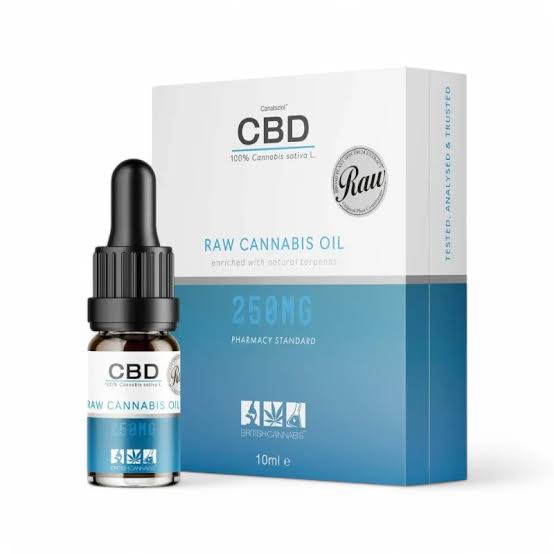




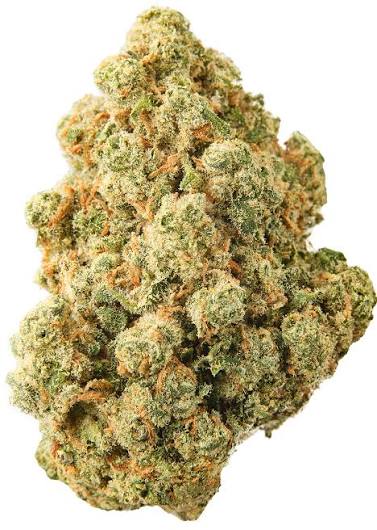
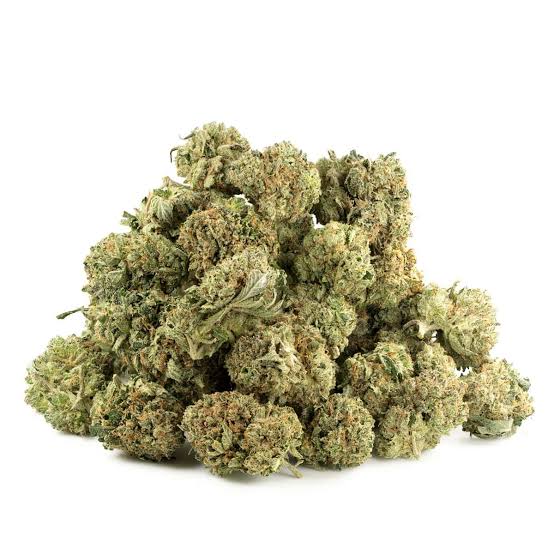

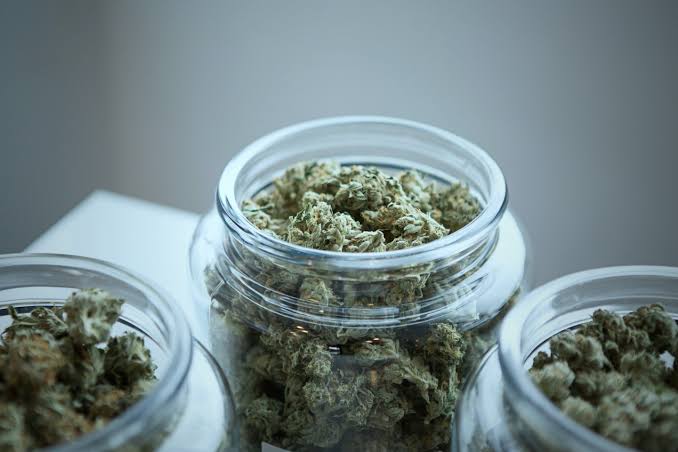
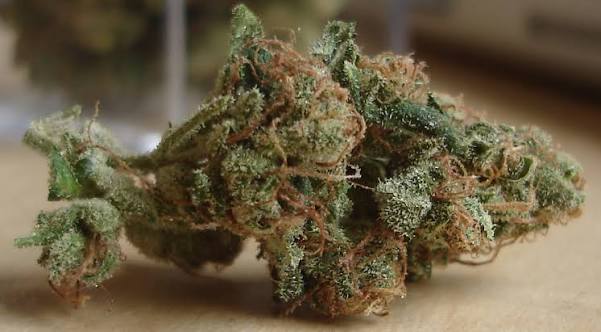

Marijuana and Hashish
<div class="category-description">
<h2>Marijuana and Hashish: Educational Information, Effects, Risks & Research</h2>
<p><strong>Marijuana and hashish</strong> are cannabis-derived substances that contain naturally occurring compounds known as cannabinoids. Cannabis has been studied extensively in pharmacology, neuroscience, medicine, and public health because cannabinoids can interact with specific receptors throughout the body and nervous system. The most widely discussed cannabinoids include <strong>tetrahydrocannabinol (THC)</strong> and <strong>cannabidiol (CBD)</strong>, which have different pharmacological properties and effects.</p>
<p>Marijuana generally refers to the dried plant material of cannabis, while hashish is a concentrated cannabis preparation made from the resin-rich parts of the plant. The chemical composition of cannabis products can vary considerably depending on the plant variety, preparation method, cannabinoid concentration, and other factors. This category provides educational information about cannabis pharmacology, reported effects, potential medical research, side effects, risks, and safety considerations.</p>
<h2>What Are Marijuana and Hashish?</h2>
<p><strong>Marijuana</strong> is a term commonly used to describe cannabis plant material that contains cannabinoids and other naturally occurring compounds. <strong>Hashish</strong>, sometimes called hash, is produced from concentrated cannabis resin and may therefore contain higher concentrations of cannabinoids than some forms of plant material.</p>
<p>The effects of cannabis products are influenced by their cannabinoid composition. THC is primarily responsible for the intoxicating effects associated with cannabis, while CBD does not produce the same intoxicating effects. Other cannabinoids and plant compounds may also contribute to the overall pharmacological profile.</p>
<h2>How Cannabis Affects the Body</h2>
<p>Cannabinoids can interact with the body's <strong>endocannabinoid system</strong>, which is involved in several physiological processes. Cannabinoid receptors are found in the central nervous system and throughout other parts of the body. Activation of these receptors can influence perception, mood, memory, appetite, coordination, and pain signaling.</p>
<p>Because cannabis products can differ significantly in cannabinoid concentration and composition, their effects may vary between products and individuals. Individual factors such as age, health status, medications, previous exposure, and biological differences can also influence responses.</p>
<h2>Reported Effects of Cannabis</h2>
<p>Cannabis containing THC may produce a range of psychological and physical effects. Some people may experience altered perception, changes in mood, relaxation, or changes in the perception of time. Other individuals may experience unwanted effects such as anxiety, impaired concentration, dizziness, or confusion.</p>
<ul>
<li>Changes in perception and sensory experiences</li>
<li>Changes in mood and emotional responses</li>
<li>Altered perception of time</li>
<li>Reduced attention and concentration</li>
<li>Short-term effects on memory</li>
<li>Drowsiness or changes in alertness</li>
<li>Increased heart rate</li>
<li>Anxiety, confusion, or paranoia in some individuals</li>
</ul>
<h2>Medical and Scientific Research</h2>
<p>Cannabinoids have been investigated in medical research for several potential applications. Researchers have studied cannabinoid-based medicines and their possible roles in areas such as pain management, nausea associated with certain medical treatments, and selected neurological conditions. However, evidence varies substantially between different cannabinoid products and medical conditions.</p>
<p>Scientific research involving cannabis and cannabinoids should be distinguished from claims about recreational cannabis use. A clinical study involving a specific standardized cannabinoid medicine does not automatically establish that non-medical cannabis products have the same benefits, effectiveness, or safety profile.</p>
<h2>Potential Side Effects and Risks</h2>
<p>Cannabis products, particularly those containing THC, can produce unwanted effects. These effects may involve cognition, coordination, cardiovascular function, and psychological well-being. Frequent or heavy exposure may also be associated with additional health concerns in some individuals.</p>
<ul>
<li>Impaired attention and concentration</li>
<li>Short-term memory impairment</li>
<li>Dizziness or reduced coordination</li>
<li>Increased heart rate</li>
<li>Anxiety or panic-like reactions</li>
<li>Confusion or paranoia</li>
<li>Sleep and mood changes</li>
<li>Potential development of cannabis use disorder</li>
</ul>
<h2>Marijuana, Hashish and Dependence</h2>
<p>Regular exposure to cannabis containing THC can lead to tolerance and, in some individuals, dependence. Cannabis use disorder is a recognized health condition involving problematic cannabis use that can interfere with daily responsibilities, relationships, education, work, or other areas of life.</p>
<p>The risk of problematic use can vary between individuals. Factors such as frequency of exposure, age at first use, personal vulnerability, and the potency of cannabis products may influence risk. Anyone concerned about problematic cannabis use should consider discussing the issue with a qualified healthcare professional.</p>
<h2>Cannabis and Drug Interactions</h2>
<p>Cannabinoids can interact with medicines and other substances. Cannabis may affect alertness, coordination, heart rate, and the metabolism of certain medications. Combining cannabis with other substances that cause sedation or impair coordination may increase the likelihood of unwanted effects.</p>
<p>People taking prescription medicines should discuss potential cannabis or cannabinoid interactions with a qualified healthcare professional rather than assuming that a cannabis product is automatically compatible with their treatment.</p>
<h2>Why Cannabis Products Can Differ</h2>
<p>One important consideration in cannabis research is the variability between products. Marijuana and hashish can differ in cannabinoid concentrations, chemical composition, and consistency. Products from unregulated sources may also have uncertain composition or contamination risks.</p>
<p>For scientific and medical research, standardized preparations and controlled conditions are important because they allow researchers to better understand dose-response relationships, pharmacological mechanisms, effectiveness, and safety.</p>
<h2>Key Points About Marijuana and Hashish</h2>
<ul>
<li>Marijuana and hashish are cannabis-derived substances containing cannabinoids.</li>
<li>THC is primarily associated with the intoxicating effects of cannabis.</li>
<li>CBD has different pharmacological properties from THC.</li>
<li>Cannabinoids interact with the body's endocannabinoid system.</li>
<li>Cannabis can affect memory, attention, coordination, perception, mood, and cardiovascular function.</li>
<li>Some cannabinoid-based medicines have been investigated for specific medical applications.</li>
<li>Regular THC exposure can lead to tolerance, dependence, or cannabis use disorder in some individuals.</li>
<li>Cannabis can interact with medications and other substances.</li>
<li>Research findings about specific cannabinoid medicines should not automatically be applied to all cannabis products.</li>
</ul>
<h2>Conclusion</h2>
<p><strong>Marijuana and hashish</strong> are complex cannabis-derived substances with diverse chemical compositions and pharmacological effects. Research into cannabinoids has contributed to a better understanding of the endocannabinoid system and continues to investigate potential therapeutic applications. At the same time, cannabis products containing THC can produce cognitive, psychological, cardiovascular, and dependence-related risks. Understanding <strong>marijuana effects, hashish effects, cannabis pharmacology, cannabinoid research, THC, CBD, side effects, risks, and safety considerations</strong> can help readers evaluate cannabis-related information more accurately. Medical decisions involving cannabinoid medicines or cannabis products should be discussed with a qualified healthcare professional.</p>
</div>
<h2>Marijuana and Hashish: Educational Information, Effects, Risks & Research</h2>
<p><strong>Marijuana and hashish</strong> are cannabis-derived substances that contain naturally occurring compounds known as cannabinoids. Cannabis has been studied extensively in pharmacology, neuroscience, medicine, and public health because cannabinoids can interact with specific receptors throughout the body and nervous system. The most widely discussed cannabinoids include <strong>tetrahydrocannabinol (THC)</strong> and <strong>cannabidiol (CBD)</strong>, which have different pharmacological properties and effects.</p>
<p>Marijuana generally refers to the dried plant material of cannabis, while hashish is a concentrated cannabis preparation made from the resin-rich parts of the plant. The chemical composition of cannabis products can vary considerably depending on the plant variety, preparation method, cannabinoid concentration, and other factors. This category provides educational information about cannabis pharmacology, reported effects, potential medical research, side effects, risks, and safety considerations.</p>
<h2>What Are Marijuana and Hashish?</h2>
<p><strong>Marijuana</strong> is a term commonly used to describe cannabis plant material that contains cannabinoids and other naturally occurring compounds. <strong>Hashish</strong>, sometimes called hash, is produced from concentrated cannabis resin and may therefore contain higher concentrations of cannabinoids than some forms of plant material.</p>
<p>The effects of cannabis products are influenced by their cannabinoid composition. THC is primarily responsible for the intoxicating effects associated with cannabis, while CBD does not produce the same intoxicating effects. Other cannabinoids and plant compounds may also contribute to the overall pharmacological profile.</p>
<h2>How Cannabis Affects the Body</h2>
<p>Cannabinoids can interact with the body's <strong>endocannabinoid system</strong>, which is involved in several physiological processes. Cannabinoid receptors are found in the central nervous system and throughout other parts of the body. Activation of these receptors can influence perception, mood, memory, appetite, coordination, and pain signaling.</p>
<p>Because cannabis products can differ significantly in cannabinoid concentration and composition, their effects may vary between products and individuals. Individual factors such as age, health status, medications, previous exposure, and biological differences can also influence responses.</p>
<h2>Reported Effects of Cannabis</h2>
<p>Cannabis containing THC may produce a range of psychological and physical effects. Some people may experience altered perception, changes in mood, relaxation, or changes in the perception of time. Other individuals may experience unwanted effects such as anxiety, impaired concentration, dizziness, or confusion.</p>
<ul>
<li>Changes in perception and sensory experiences</li>
<li>Changes in mood and emotional responses</li>
<li>Altered perception of time</li>
<li>Reduced attention and concentration</li>
<li>Short-term effects on memory</li>
<li>Drowsiness or changes in alertness</li>
<li>Increased heart rate</li>
<li>Anxiety, confusion, or paranoia in some individuals</li>
</ul>
<h2>Medical and Scientific Research</h2>
<p>Cannabinoids have been investigated in medical research for several potential applications. Researchers have studied cannabinoid-based medicines and their possible roles in areas such as pain management, nausea associated with certain medical treatments, and selected neurological conditions. However, evidence varies substantially between different cannabinoid products and medical conditions.</p>
<p>Scientific research involving cannabis and cannabinoids should be distinguished from claims about recreational cannabis use. A clinical study involving a specific standardized cannabinoid medicine does not automatically establish that non-medical cannabis products have the same benefits, effectiveness, or safety profile.</p>
<h2>Potential Side Effects and Risks</h2>
<p>Cannabis products, particularly those containing THC, can produce unwanted effects. These effects may involve cognition, coordination, cardiovascular function, and psychological well-being. Frequent or heavy exposure may also be associated with additional health concerns in some individuals.</p>
<ul>
<li>Impaired attention and concentration</li>
<li>Short-term memory impairment</li>
<li>Dizziness or reduced coordination</li>
<li>Increased heart rate</li>
<li>Anxiety or panic-like reactions</li>
<li>Confusion or paranoia</li>
<li>Sleep and mood changes</li>
<li>Potential development of cannabis use disorder</li>
</ul>
<h2>Marijuana, Hashish and Dependence</h2>
<p>Regular exposure to cannabis containing THC can lead to tolerance and, in some individuals, dependence. Cannabis use disorder is a recognized health condition involving problematic cannabis use that can interfere with daily responsibilities, relationships, education, work, or other areas of life.</p>
<p>The risk of problematic use can vary between individuals. Factors such as frequency of exposure, age at first use, personal vulnerability, and the potency of cannabis products may influence risk. Anyone concerned about problematic cannabis use should consider discussing the issue with a qualified healthcare professional.</p>
<h2>Cannabis and Drug Interactions</h2>
<p>Cannabinoids can interact with medicines and other substances. Cannabis may affect alertness, coordination, heart rate, and the metabolism of certain medications. Combining cannabis with other substances that cause sedation or impair coordination may increase the likelihood of unwanted effects.</p>
<p>People taking prescription medicines should discuss potential cannabis or cannabinoid interactions with a qualified healthcare professional rather than assuming that a cannabis product is automatically compatible with their treatment.</p>
<h2>Why Cannabis Products Can Differ</h2>
<p>One important consideration in cannabis research is the variability between products. Marijuana and hashish can differ in cannabinoid concentrations, chemical composition, and consistency. Products from unregulated sources may also have uncertain composition or contamination risks.</p>
<p>For scientific and medical research, standardized preparations and controlled conditions are important because they allow researchers to better understand dose-response relationships, pharmacological mechanisms, effectiveness, and safety.</p>
<h2>Key Points About Marijuana and Hashish</h2>
<ul>
<li>Marijuana and hashish are cannabis-derived substances containing cannabinoids.</li>
<li>THC is primarily associated with the intoxicating effects of cannabis.</li>
<li>CBD has different pharmacological properties from THC.</li>
<li>Cannabinoids interact with the body's endocannabinoid system.</li>
<li>Cannabis can affect memory, attention, coordination, perception, mood, and cardiovascular function.</li>
<li>Some cannabinoid-based medicines have been investigated for specific medical applications.</li>
<li>Regular THC exposure can lead to tolerance, dependence, or cannabis use disorder in some individuals.</li>
<li>Cannabis can interact with medications and other substances.</li>
<li>Research findings about specific cannabinoid medicines should not automatically be applied to all cannabis products.</li>
</ul>
<h2>Conclusion</h2>
<p><strong>Marijuana and hashish</strong> are complex cannabis-derived substances with diverse chemical compositions and pharmacological effects. Research into cannabinoids has contributed to a better understanding of the endocannabinoid system and continues to investigate potential therapeutic applications. At the same time, cannabis products containing THC can produce cognitive, psychological, cardiovascular, and dependence-related risks. Understanding <strong>marijuana effects, hashish effects, cannabis pharmacology, cannabinoid research, THC, CBD, side effects, risks, and safety considerations</strong> can help readers evaluate cannabis-related information more accurately. Medical decisions involving cannabinoid medicines or cannabis products should be discussed with a qualified healthcare professional.</p>
</div>