Healthcare Store
Browse premium healthcare products with worldwide shipping, secure checkout and discreet packaging.
Hallucinogens
Our Products
6 products found
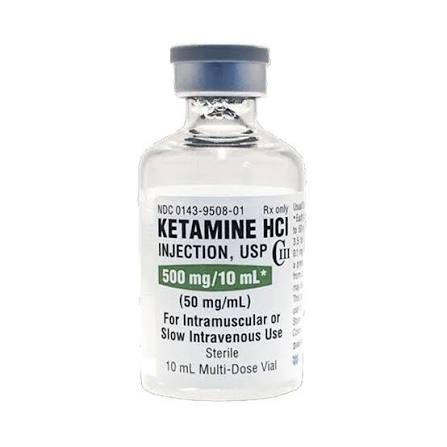




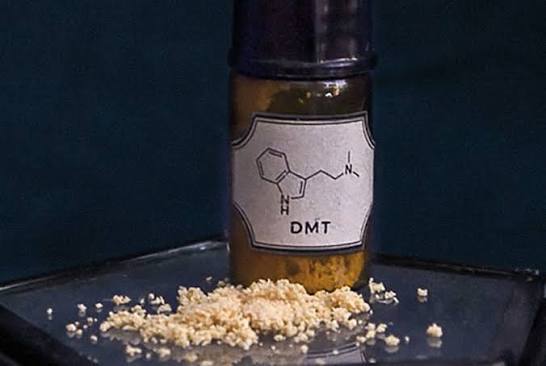
Hallucinogens
<div class="category-description">
<h2>Hallucinogens: Educational Information, Effects, Risks & Research</h2>
<p><strong>Hallucinogens</strong> are a diverse group of psychoactive substances that can alter perception, thoughts, emotions, sensory experiences, and the way a person interprets their surroundings. Some hallucinogenic substances have been investigated in neuroscience, psychiatry, pharmacology, and clinical research because of their effects on brain signaling and perception. This category provides educational information about hallucinogens, their pharmacological mechanisms, reported effects, potential risks, research applications, and important safety considerations.</p>
<p>Hallucinogens are not a single chemically or pharmacologically uniform group. Different substances can affect different neurotransmitter systems and may produce substantially different psychological and physiological effects. Some substances primarily influence serotonin receptors, while others act through different pathways. Because of these differences, information about one hallucinogen should not automatically be applied to another substance.</p>
<h2>What Are Hallucinogens?</h2>
<p>Hallucinogens are psychoactive substances capable of producing significant changes in perception, sensory processing, cognition, mood, and awareness. Depending on the specific substance, these changes may involve visual or auditory perception, the sense of time, emotional responses, and thought patterns.</p>
<p>Some hallucinogenic substances are classified as <strong>classic psychedelics</strong>, while other substances with hallucinogenic properties have different pharmacological mechanisms. Researchers study these differences to better understand how the brain creates perception, consciousness, memory, emotion, and other complex experiences.</p>
<h2>How Hallucinogens Affect the Brain</h2>
<p>Many classic psychedelic substances interact with serotonin receptors, particularly receptors involved in regulating perception, cognition, and mood. Changes in signaling within these neural networks can alter how sensory information is processed and how different areas of the brain communicate.</p>
<p>The biological mechanisms differ between substances, and researchers continue to investigate how receptor activity, neural connectivity, and changes in brain-network activity contribute to altered states of consciousness. These investigations are relevant to neuroscience as well as the development of potential psychiatric treatments.</p>
<h2>Reported Effects of Hallucinogens</h2>
<p>The effects of hallucinogens can vary substantially depending on the specific substance and individual circumstances. Psychological effects may include changes in sensory perception, emotions, thoughts, and the perception of time. Physical effects can also occur.</p>
<ul>
<li>Altered visual or sensory perception</li>
<li>Changes in the perception of time</li>
<li>Changes in mood and emotional responses</li>
<li>Changes in thought patterns and attention</li>
<li>Intensified sensory experiences</li>
<li>Changes in heart rate or blood pressure</li>
<li>Nausea, dizziness, or other physical effects</li>
<li>Anxiety, confusion, fear, or psychological distress in some individuals</li>
</ul>
<h2>Hallucinogens in Scientific and Medical Research</h2>
<p>Hallucinogens have become an important area of modern neuroscience and psychiatric research. Scientists are investigating whether certain psychedelic compounds may have therapeutic potential when administered within carefully controlled clinical research environments.</p>
<p>Research has examined areas including depression, anxiety associated with serious illness, post-traumatic stress, substance-use disorders, and other psychiatric conditions. However, research findings vary by substance and condition, and a research result should not be interpreted as evidence that unsupervised use is safe or medically appropriate.</p>
<p>Clinical research involves carefully selected participants, standardized substances, controlled environments, professional supervision, medical screening, and structured follow-up. These conditions are substantially different from uncontrolled use.</p>
<h2>Potential Risks and Side Effects</h2>
<p>Hallucinogens can produce unpredictable psychological and physiological effects. Some individuals may experience significant anxiety, confusion, panic, or distress during an altered state. Physical effects can also occur depending on the particular substance.</p>
<ul>
<li>Anxiety or intense psychological distress</li>
<li>Confusion or disorientation</li>
<li>Increased heart rate or blood pressure</li>
<li>Dizziness or nausea</li>
<li>Impaired judgment and coordination</li>
<li>Disturbed perception and difficulty interpreting surroundings</li>
<li>Potential worsening of symptoms in vulnerable individuals</li>
<li>Persistent perceptual or psychological effects in some cases</li>
</ul>
<h2>Hallucinogens and Mental Health</h2>
<p>The relationship between hallucinogens and mental health is an important area of research. Some clinical studies are examining whether particular psychedelic compounds could have therapeutic applications under controlled conditions. At the same time, hallucinogenic experiences can be psychologically challenging and may pose additional concerns for individuals with certain psychiatric vulnerabilities.</p>
<p>Research into therapeutic applications should therefore be distinguished from recreational or unsupervised use. A substance being investigated in a clinical trial does not mean that it is an established treatment or appropriate for everyone.</p>
<h2>Hallucinogens and Drug Interactions</h2>
<p>Hallucinogenic substances may interact with prescription medicines, other psychoactive substances, or compounds that influence neurotransmitter systems. Such interactions can potentially change psychological or physiological effects and may increase the risk of adverse reactions.</p>
<p>People taking prescription medicines or receiving treatment for a mental-health condition should discuss potential interactions with a qualified healthcare professional. Medication decisions should not be based solely on general information about hallucinogenic substances.</p>
<h2>Research, Pharmacology and Safety</h2>
<p>Scientific research into hallucinogens contributes to a broader understanding of serotonin signaling, perception, consciousness, emotional processing, and brain-network activity. Researchers also investigate pharmacokinetics, receptor interactions, therapeutic potential, adverse effects, and long-term outcomes.</p>
<p>Reliable educational information should distinguish established evidence from preliminary findings. Laboratory research, observational studies, and early clinical trials can provide valuable insights, but they do not necessarily establish long-term effectiveness or safety.</p>
<h2>Key Points About Hallucinogens</h2>
<ul>
<li>Hallucinogens are a diverse group of psychoactive substances that can alter perception and cognition.</li>
<li>Different hallucinogens can have substantially different pharmacological mechanisms.</li>
<li>Many classic psychedelics interact with serotonin receptor systems.</li>
<li>Researchers are studying hallucinogens in neuroscience, psychiatry, and pharmacology.</li>
<li>Some compounds are being investigated for potential therapeutic applications under controlled conditions.</li>
<li>Hallucinogens can cause anxiety, confusion, altered perception, and other unwanted effects.</li>
<li>Drug interactions and individual health factors can influence potential risks.</li>
<li>Clinical research findings should not be interpreted as general approval for unsupervised use.</li>
</ul>
<h2>Conclusion</h2>
<p><strong>Hallucinogens</strong> represent a diverse and scientifically important group of psychoactive substances. Their ability to influence perception, cognition, emotion, and brain signaling has made them subjects of research in neuroscience, pharmacology, and psychiatry. While some compounds are being investigated for potential therapeutic applications, hallucinogens can also produce significant psychological and physiological effects. Understanding <strong>hallucinogen effects, psychedelic research, hallucinogen pharmacology, potential side effects, risks, drug interactions, and safety considerations</strong> can help readers evaluate information about these substances more accurately. Medical or mental-health treatment decisions should always be discussed with a qualified healthcare professional.</p>
</div>
<h2>Hallucinogens: Educational Information, Effects, Risks & Research</h2>
<p><strong>Hallucinogens</strong> are a diverse group of psychoactive substances that can alter perception, thoughts, emotions, sensory experiences, and the way a person interprets their surroundings. Some hallucinogenic substances have been investigated in neuroscience, psychiatry, pharmacology, and clinical research because of their effects on brain signaling and perception. This category provides educational information about hallucinogens, their pharmacological mechanisms, reported effects, potential risks, research applications, and important safety considerations.</p>
<p>Hallucinogens are not a single chemically or pharmacologically uniform group. Different substances can affect different neurotransmitter systems and may produce substantially different psychological and physiological effects. Some substances primarily influence serotonin receptors, while others act through different pathways. Because of these differences, information about one hallucinogen should not automatically be applied to another substance.</p>
<h2>What Are Hallucinogens?</h2>
<p>Hallucinogens are psychoactive substances capable of producing significant changes in perception, sensory processing, cognition, mood, and awareness. Depending on the specific substance, these changes may involve visual or auditory perception, the sense of time, emotional responses, and thought patterns.</p>
<p>Some hallucinogenic substances are classified as <strong>classic psychedelics</strong>, while other substances with hallucinogenic properties have different pharmacological mechanisms. Researchers study these differences to better understand how the brain creates perception, consciousness, memory, emotion, and other complex experiences.</p>
<h2>How Hallucinogens Affect the Brain</h2>
<p>Many classic psychedelic substances interact with serotonin receptors, particularly receptors involved in regulating perception, cognition, and mood. Changes in signaling within these neural networks can alter how sensory information is processed and how different areas of the brain communicate.</p>
<p>The biological mechanisms differ between substances, and researchers continue to investigate how receptor activity, neural connectivity, and changes in brain-network activity contribute to altered states of consciousness. These investigations are relevant to neuroscience as well as the development of potential psychiatric treatments.</p>
<h2>Reported Effects of Hallucinogens</h2>
<p>The effects of hallucinogens can vary substantially depending on the specific substance and individual circumstances. Psychological effects may include changes in sensory perception, emotions, thoughts, and the perception of time. Physical effects can also occur.</p>
<ul>
<li>Altered visual or sensory perception</li>
<li>Changes in the perception of time</li>
<li>Changes in mood and emotional responses</li>
<li>Changes in thought patterns and attention</li>
<li>Intensified sensory experiences</li>
<li>Changes in heart rate or blood pressure</li>
<li>Nausea, dizziness, or other physical effects</li>
<li>Anxiety, confusion, fear, or psychological distress in some individuals</li>
</ul>
<h2>Hallucinogens in Scientific and Medical Research</h2>
<p>Hallucinogens have become an important area of modern neuroscience and psychiatric research. Scientists are investigating whether certain psychedelic compounds may have therapeutic potential when administered within carefully controlled clinical research environments.</p>
<p>Research has examined areas including depression, anxiety associated with serious illness, post-traumatic stress, substance-use disorders, and other psychiatric conditions. However, research findings vary by substance and condition, and a research result should not be interpreted as evidence that unsupervised use is safe or medically appropriate.</p>
<p>Clinical research involves carefully selected participants, standardized substances, controlled environments, professional supervision, medical screening, and structured follow-up. These conditions are substantially different from uncontrolled use.</p>
<h2>Potential Risks and Side Effects</h2>
<p>Hallucinogens can produce unpredictable psychological and physiological effects. Some individuals may experience significant anxiety, confusion, panic, or distress during an altered state. Physical effects can also occur depending on the particular substance.</p>
<ul>
<li>Anxiety or intense psychological distress</li>
<li>Confusion or disorientation</li>
<li>Increased heart rate or blood pressure</li>
<li>Dizziness or nausea</li>
<li>Impaired judgment and coordination</li>
<li>Disturbed perception and difficulty interpreting surroundings</li>
<li>Potential worsening of symptoms in vulnerable individuals</li>
<li>Persistent perceptual or psychological effects in some cases</li>
</ul>
<h2>Hallucinogens and Mental Health</h2>
<p>The relationship between hallucinogens and mental health is an important area of research. Some clinical studies are examining whether particular psychedelic compounds could have therapeutic applications under controlled conditions. At the same time, hallucinogenic experiences can be psychologically challenging and may pose additional concerns for individuals with certain psychiatric vulnerabilities.</p>
<p>Research into therapeutic applications should therefore be distinguished from recreational or unsupervised use. A substance being investigated in a clinical trial does not mean that it is an established treatment or appropriate for everyone.</p>
<h2>Hallucinogens and Drug Interactions</h2>
<p>Hallucinogenic substances may interact with prescription medicines, other psychoactive substances, or compounds that influence neurotransmitter systems. Such interactions can potentially change psychological or physiological effects and may increase the risk of adverse reactions.</p>
<p>People taking prescription medicines or receiving treatment for a mental-health condition should discuss potential interactions with a qualified healthcare professional. Medication decisions should not be based solely on general information about hallucinogenic substances.</p>
<h2>Research, Pharmacology and Safety</h2>
<p>Scientific research into hallucinogens contributes to a broader understanding of serotonin signaling, perception, consciousness, emotional processing, and brain-network activity. Researchers also investigate pharmacokinetics, receptor interactions, therapeutic potential, adverse effects, and long-term outcomes.</p>
<p>Reliable educational information should distinguish established evidence from preliminary findings. Laboratory research, observational studies, and early clinical trials can provide valuable insights, but they do not necessarily establish long-term effectiveness or safety.</p>
<h2>Key Points About Hallucinogens</h2>
<ul>
<li>Hallucinogens are a diverse group of psychoactive substances that can alter perception and cognition.</li>
<li>Different hallucinogens can have substantially different pharmacological mechanisms.</li>
<li>Many classic psychedelics interact with serotonin receptor systems.</li>
<li>Researchers are studying hallucinogens in neuroscience, psychiatry, and pharmacology.</li>
<li>Some compounds are being investigated for potential therapeutic applications under controlled conditions.</li>
<li>Hallucinogens can cause anxiety, confusion, altered perception, and other unwanted effects.</li>
<li>Drug interactions and individual health factors can influence potential risks.</li>
<li>Clinical research findings should not be interpreted as general approval for unsupervised use.</li>
</ul>
<h2>Conclusion</h2>
<p><strong>Hallucinogens</strong> represent a diverse and scientifically important group of psychoactive substances. Their ability to influence perception, cognition, emotion, and brain signaling has made them subjects of research in neuroscience, pharmacology, and psychiatry. While some compounds are being investigated for potential therapeutic applications, hallucinogens can also produce significant psychological and physiological effects. Understanding <strong>hallucinogen effects, psychedelic research, hallucinogen pharmacology, potential side effects, risks, drug interactions, and safety considerations</strong> can help readers evaluate information about these substances more accurately. Medical or mental-health treatment decisions should always be discussed with a qualified healthcare professional.</p>
</div>