Healthcare Store
Browse premium healthcare products with worldwide shipping, secure checkout and discreet packaging.
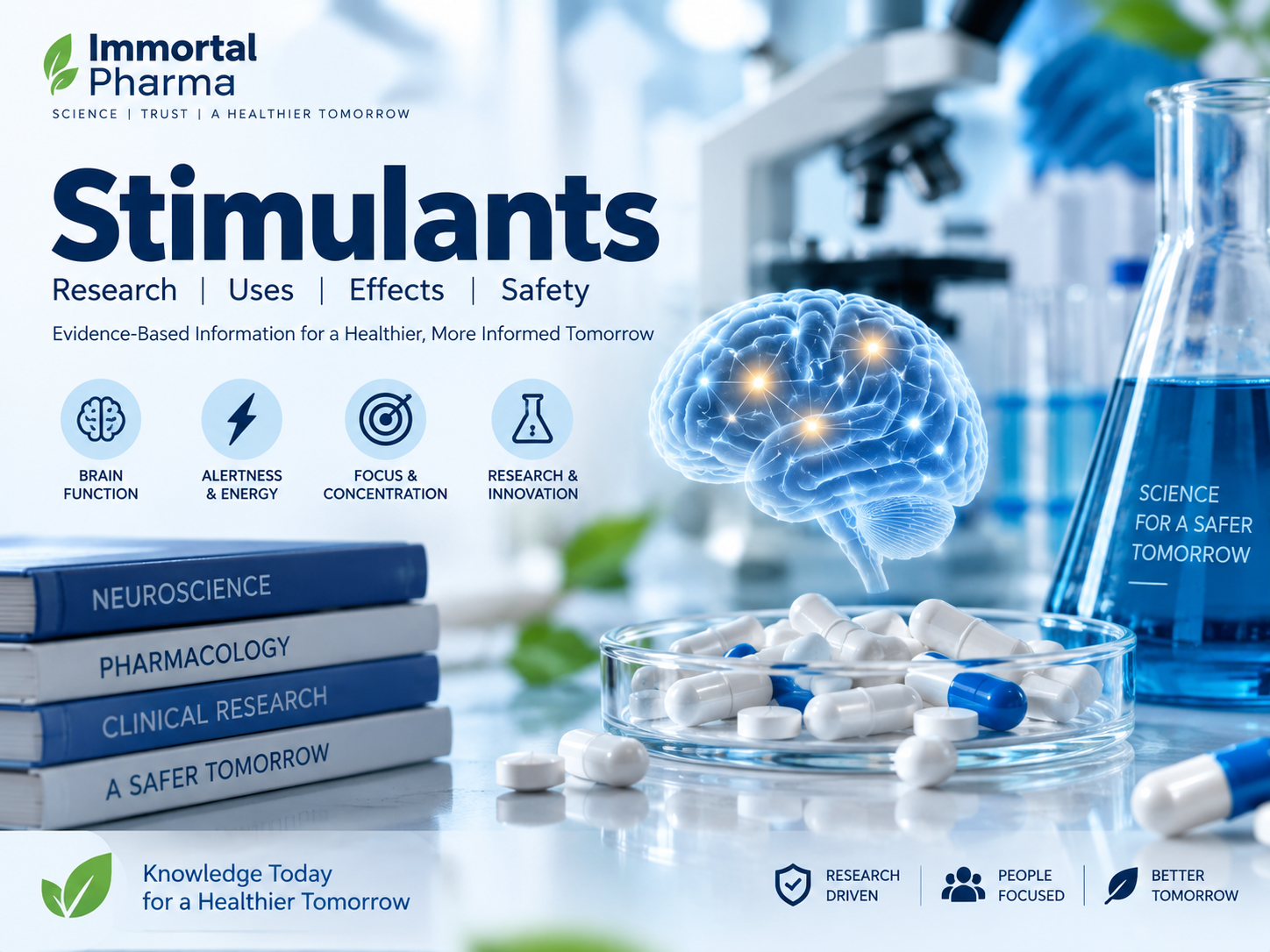
Stimulants
Our Products
8 products found


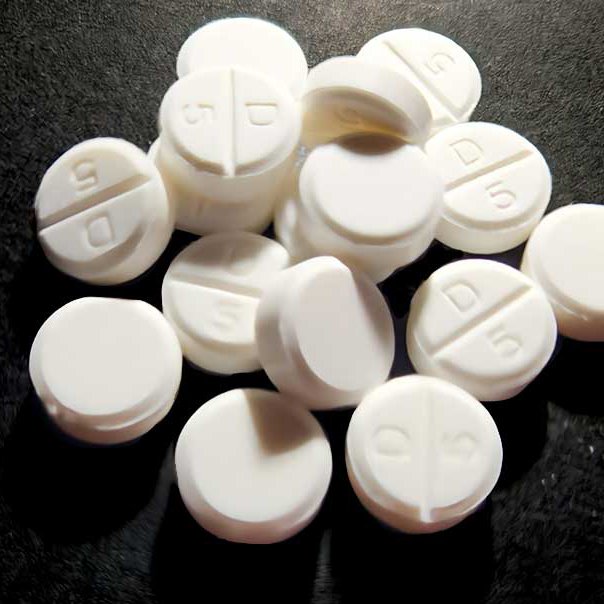
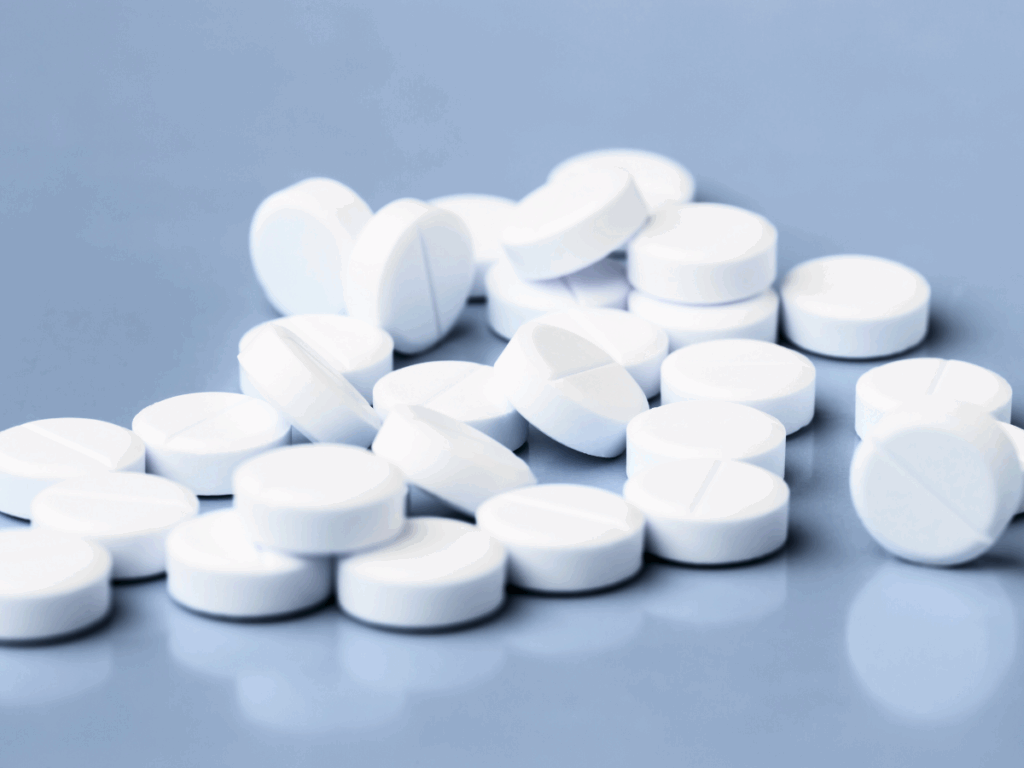

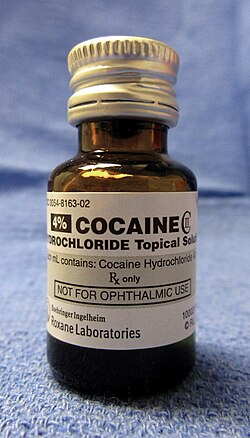
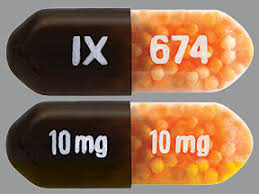
Stimulants
<div class="category-description">
<h2>Stimulants: Educational Information and Research Overview</h2>
<p><strong>Stimulants</strong> are a broad group of substances that can increase activity within the central nervous system and influence alertness, attention, energy, mood, heart rate, and other physiological functions. The stimulant category includes substances with very different chemical structures, mechanisms of action, medical applications, and risk profiles. Understanding these differences is important when reviewing information about stimulant pharmacology, therapeutic use, research, and potential adverse effects.</p>
<p>Some stimulant substances have established medical applications and may be prescribed by qualified healthcare professionals for specific conditions. Other stimulants are primarily studied in pharmacological, toxicological, or scientific research. The effects of a stimulant depend on the particular substance, its pharmacological properties, individual factors, and whether it is being used in a regulated medical or research environment.</p>
<h2>How Do Stimulants Work?</h2>
<p>Stimulants can affect several neurotransmitter systems in the brain and nervous system. Depending on the substance, stimulant activity may involve neurotransmitters such as <strong>dopamine, norepinephrine, and serotonin</strong>. These chemical messengers participate in processes including attention, motivation, alertness, mood regulation, and the body's response to stress.</p>
<p>Different stimulants act through different biological mechanisms. Some may influence the release or reuptake of neurotransmitters, while others may interact with specific receptors or transport proteins. Because their mechanisms vary, it is not appropriate to assume that all stimulant substances produce the same effects or have the same medical or safety profile.</p>
<h2>Common Areas of Stimulant Research</h2>
<p>Stimulants are studied across several areas of medicine, neuroscience, pharmacology, and toxicology. Researchers may investigate their effects on the nervous system, cardiovascular system, cognition, behavior, metabolism, and other biological processes.</p>
<ul>
<li>Neurotransmitter activity and brain signaling</li>
<li>Attention, alertness, and cognitive processes</li>
<li>Pharmacological mechanisms and receptor interactions</li>
<li>Potential therapeutic applications</li>
<li>Pharmacokinetics and metabolism</li>
<li>Drug interactions and adverse effects</li>
<li>Cardiovascular and neurological effects</li>
<li>Toxicology and substance safety research</li>
</ul>
<h2>Medical Uses of Certain Stimulants</h2>
<p>Some stimulant medications are used under medical supervision for specific health conditions. Depending on the medication and indication, treatment may involve conditions associated with attention, wakefulness, or other neurological functions. Medical stimulant therapy requires appropriate assessment, dosing decisions, monitoring, and follow-up by qualified healthcare professionals.</p>
<p>The existence of a medical application for one stimulant does not mean that every substance in the stimulant category is medically useful or safe. Each compound must be evaluated individually according to its pharmacology, clinical evidence, regulatory status, and potential risks.</p>
<h2>Potential Effects of Stimulants</h2>
<p>Stimulant substances can produce both intended and unwanted effects. Depending on the particular compound, effects may involve the brain, cardiovascular system, gastrointestinal system, sleep cycle, and emotional state.</p>
<ul>
<li>Increased alertness or wakefulness</li>
<li>Changes in attention and concentration</li>
<li>Increased nervous system activity</li>
<li>Changes in heart rate and blood pressure</li>
<li>Changes in appetite or sleep patterns</li>
<li>Changes in mood or emotional state</li>
<li>Anxiety, restlessness, or agitation in some individuals</li>
</ul>
<h2>Potential Risks and Side Effects</h2>
<p>Stimulants can also have clinically important adverse effects. The type and severity of these effects vary significantly between substances. Some stimulant compounds can affect cardiovascular function, while others may produce neurological or psychological effects. Risks may also increase when substances are combined with other drugs or used outside appropriate medical or research settings.</p>
<ul>
<li>Increased heart rate or blood pressure</li>
<li>Difficulty sleeping or changes in sleep patterns</li>
<li>Anxiety, nervousness, or restlessness</li>
<li>Headache or gastrointestinal discomfort</li>
<li>Changes in appetite</li>
<li>Agitation or changes in mood</li>
<li>Potential cardiovascular complications with certain substances</li>
<li>Potential neurological or psychological complications with some stimulants</li>
</ul>
<h2>Stimulants in Scientific and Pharmaceutical Research</h2>
<p>Scientific research involving stimulants can provide valuable information about neurotransmission, brain function, pharmacology, metabolism, and therapeutic development. Researchers may examine how specific stimulant compounds interact with biological systems and how their properties could contribute to the development or evaluation of pharmaceutical treatments.</p>
<p>Research information should always be interpreted in context. Findings from laboratory experiments, animal studies, or controlled clinical research do not automatically establish that a substance is appropriate or safe for personal use. Regulatory approval, clinical evidence, and professional medical guidance are important considerations when evaluating pharmaceutical substances.</p>
<h2>Drug Interactions and Safety Considerations</h2>
<p>Some stimulants can interact with prescription medicines, over-the-counter products, or other psychoactive substances. Such interactions may alter cardiovascular effects, neurotransmitter activity, metabolism, or the overall risk of adverse reactions. For this reason, information about a stimulant should be considered together with its known interactions, contraindications, and regulatory status.</p>
<p>Anyone taking a prescribed stimulant or another medication should consult a qualified healthcare professional before making changes to treatment or combining substances. Stimulant-related symptoms that appear severe or unusual may require prompt medical evaluation.</p>
<h2>Understanding Stimulant Information</h2>
<p>The term <strong>stimulant</strong> describes a diverse pharmacological category rather than one specific type of substance. Two compounds classified as stimulants can have substantially different mechanisms, effects, medical uses, and safety considerations. Reliable educational information should therefore identify the individual compound and distinguish established scientific evidence from preliminary research or unsupported claims.</p>
<p>At Immortal Pharma, this category is intended to provide general educational information about stimulant pharmacology, research, medical applications, effects, potential risks, and safety considerations. The information is designed for educational purposes and should not replace advice from a qualified healthcare professional.</p>
<h2>Key Points About Stimulants</h2>
<ul>
<li>Stimulants are a diverse group of substances that affect central nervous system activity.</li>
<li>Different stimulant compounds can have very different mechanisms and effects.</li>
<li>Some stimulants have established medical applications under professional supervision.</li>
<li>Stimulants are also studied in neuroscience, pharmacology, and toxicology research.</li>
<li>Potential adverse effects can include cardiovascular, neurological, psychological, and sleep-related effects.</li>
<li>Drug interactions and individual health factors can influence stimulant-related risks.</li>
<li>Scientific research findings should not be interpreted as general approval for unsupervised use.</li>
</ul>
<h2>Conclusion</h2>
<p><strong>Stimulants</strong> represent an important category in modern pharmacology and neuroscience. They include compounds with diverse mechanisms, therapeutic applications, research uses, and safety profiles. Learning about their effects on neurotransmitters, potential medical applications, adverse effects, interactions, and research evidence can help readers better understand this complex category. For medical decisions involving stimulant medications or other substances, professional healthcare guidance should always be used.</p>
</div>
<h2>Stimulants: Educational Information and Research Overview</h2>
<p><strong>Stimulants</strong> are a broad group of substances that can increase activity within the central nervous system and influence alertness, attention, energy, mood, heart rate, and other physiological functions. The stimulant category includes substances with very different chemical structures, mechanisms of action, medical applications, and risk profiles. Understanding these differences is important when reviewing information about stimulant pharmacology, therapeutic use, research, and potential adverse effects.</p>
<p>Some stimulant substances have established medical applications and may be prescribed by qualified healthcare professionals for specific conditions. Other stimulants are primarily studied in pharmacological, toxicological, or scientific research. The effects of a stimulant depend on the particular substance, its pharmacological properties, individual factors, and whether it is being used in a regulated medical or research environment.</p>
<h2>How Do Stimulants Work?</h2>
<p>Stimulants can affect several neurotransmitter systems in the brain and nervous system. Depending on the substance, stimulant activity may involve neurotransmitters such as <strong>dopamine, norepinephrine, and serotonin</strong>. These chemical messengers participate in processes including attention, motivation, alertness, mood regulation, and the body's response to stress.</p>
<p>Different stimulants act through different biological mechanisms. Some may influence the release or reuptake of neurotransmitters, while others may interact with specific receptors or transport proteins. Because their mechanisms vary, it is not appropriate to assume that all stimulant substances produce the same effects or have the same medical or safety profile.</p>
<h2>Common Areas of Stimulant Research</h2>
<p>Stimulants are studied across several areas of medicine, neuroscience, pharmacology, and toxicology. Researchers may investigate their effects on the nervous system, cardiovascular system, cognition, behavior, metabolism, and other biological processes.</p>
<ul>
<li>Neurotransmitter activity and brain signaling</li>
<li>Attention, alertness, and cognitive processes</li>
<li>Pharmacological mechanisms and receptor interactions</li>
<li>Potential therapeutic applications</li>
<li>Pharmacokinetics and metabolism</li>
<li>Drug interactions and adverse effects</li>
<li>Cardiovascular and neurological effects</li>
<li>Toxicology and substance safety research</li>
</ul>
<h2>Medical Uses of Certain Stimulants</h2>
<p>Some stimulant medications are used under medical supervision for specific health conditions. Depending on the medication and indication, treatment may involve conditions associated with attention, wakefulness, or other neurological functions. Medical stimulant therapy requires appropriate assessment, dosing decisions, monitoring, and follow-up by qualified healthcare professionals.</p>
<p>The existence of a medical application for one stimulant does not mean that every substance in the stimulant category is medically useful or safe. Each compound must be evaluated individually according to its pharmacology, clinical evidence, regulatory status, and potential risks.</p>
<h2>Potential Effects of Stimulants</h2>
<p>Stimulant substances can produce both intended and unwanted effects. Depending on the particular compound, effects may involve the brain, cardiovascular system, gastrointestinal system, sleep cycle, and emotional state.</p>
<ul>
<li>Increased alertness or wakefulness</li>
<li>Changes in attention and concentration</li>
<li>Increased nervous system activity</li>
<li>Changes in heart rate and blood pressure</li>
<li>Changes in appetite or sleep patterns</li>
<li>Changes in mood or emotional state</li>
<li>Anxiety, restlessness, or agitation in some individuals</li>
</ul>
<h2>Potential Risks and Side Effects</h2>
<p>Stimulants can also have clinically important adverse effects. The type and severity of these effects vary significantly between substances. Some stimulant compounds can affect cardiovascular function, while others may produce neurological or psychological effects. Risks may also increase when substances are combined with other drugs or used outside appropriate medical or research settings.</p>
<ul>
<li>Increased heart rate or blood pressure</li>
<li>Difficulty sleeping or changes in sleep patterns</li>
<li>Anxiety, nervousness, or restlessness</li>
<li>Headache or gastrointestinal discomfort</li>
<li>Changes in appetite</li>
<li>Agitation or changes in mood</li>
<li>Potential cardiovascular complications with certain substances</li>
<li>Potential neurological or psychological complications with some stimulants</li>
</ul>
<h2>Stimulants in Scientific and Pharmaceutical Research</h2>
<p>Scientific research involving stimulants can provide valuable information about neurotransmission, brain function, pharmacology, metabolism, and therapeutic development. Researchers may examine how specific stimulant compounds interact with biological systems and how their properties could contribute to the development or evaluation of pharmaceutical treatments.</p>
<p>Research information should always be interpreted in context. Findings from laboratory experiments, animal studies, or controlled clinical research do not automatically establish that a substance is appropriate or safe for personal use. Regulatory approval, clinical evidence, and professional medical guidance are important considerations when evaluating pharmaceutical substances.</p>
<h2>Drug Interactions and Safety Considerations</h2>
<p>Some stimulants can interact with prescription medicines, over-the-counter products, or other psychoactive substances. Such interactions may alter cardiovascular effects, neurotransmitter activity, metabolism, or the overall risk of adverse reactions. For this reason, information about a stimulant should be considered together with its known interactions, contraindications, and regulatory status.</p>
<p>Anyone taking a prescribed stimulant or another medication should consult a qualified healthcare professional before making changes to treatment or combining substances. Stimulant-related symptoms that appear severe or unusual may require prompt medical evaluation.</p>
<h2>Understanding Stimulant Information</h2>
<p>The term <strong>stimulant</strong> describes a diverse pharmacological category rather than one specific type of substance. Two compounds classified as stimulants can have substantially different mechanisms, effects, medical uses, and safety considerations. Reliable educational information should therefore identify the individual compound and distinguish established scientific evidence from preliminary research or unsupported claims.</p>
<p>At Immortal Pharma, this category is intended to provide general educational information about stimulant pharmacology, research, medical applications, effects, potential risks, and safety considerations. The information is designed for educational purposes and should not replace advice from a qualified healthcare professional.</p>
<h2>Key Points About Stimulants</h2>
<ul>
<li>Stimulants are a diverse group of substances that affect central nervous system activity.</li>
<li>Different stimulant compounds can have very different mechanisms and effects.</li>
<li>Some stimulants have established medical applications under professional supervision.</li>
<li>Stimulants are also studied in neuroscience, pharmacology, and toxicology research.</li>
<li>Potential adverse effects can include cardiovascular, neurological, psychological, and sleep-related effects.</li>
<li>Drug interactions and individual health factors can influence stimulant-related risks.</li>
<li>Scientific research findings should not be interpreted as general approval for unsupervised use.</li>
</ul>
<h2>Conclusion</h2>
<p><strong>Stimulants</strong> represent an important category in modern pharmacology and neuroscience. They include compounds with diverse mechanisms, therapeutic applications, research uses, and safety profiles. Learning about their effects on neurotransmitters, potential medical applications, adverse effects, interactions, and research evidence can help readers better understand this complex category. For medical decisions involving stimulant medications or other substances, professional healthcare guidance should always be used.</p>
</div>