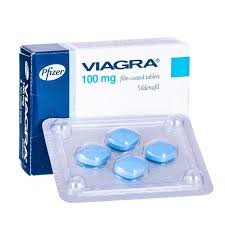
Brand Viagra 100 mg
$0.00
$0.00
Description
Brand Viagra 100 mg: Sildenafil Pharmacology, Medical Uses, Risks & Safety
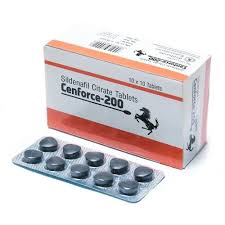
Brand Viagra 100 mg contains sildenafil, a phosphodiesterase type 5 (PDE5) inhibitor used medically for the treatment of erectile dysfunction. Sildenafil works by supporting the natural physiological mechanisms involved in penile erection, particularly the nitric oxide and cyclic guanosine monophosphate (cGMP) signaling pathway.
Viagra is a prescription medicine, and treatment should be considered in the context of a person's cardiovascular health, other medications, and underlying causes of erectile dysfunction. This educational page discusses sildenafil pharmacology, medical applications, potential adverse effects, interactions, and important safety considerations.
How Sildenafil Works
Sildenafil selectively inhibits the PDE5 enzyme. During sexual stimulation, nitric oxide signaling promotes the formation of cGMP in penile tissue. cGMP contributes to relaxation of smooth muscle and increased blood flow within the corpus cavernosum.
By inhibiting PDE5, sildenafil reduces the breakdown of cGMP and helps prolong this signaling process. Sildenafil does not independently create sexual desire and generally requires sexual stimulation for its erectile effect.
Medical Use
Brand Viagra is indicated for the treatment of erectile dysfunction in appropriate patients. Erectile dysfunction can have multiple causes, including vascular, neurological, hormonal, psychological, and medication-related factors.
Medical evaluation can help identify underlying health conditions that may contribute to erectile difficulties. Treatment decisions should therefore consider the individual's overall health rather than focusing only on the symptom.
Potential Side Effects
Potential adverse effects associated with sildenafil include:
- Headache
- Facial flushing
- Indigestion or dyspepsia
- Nasal congestion
- Dizziness
- Temporary visual disturbances
Less common but potentially serious reactions can include significant cardiovascular symptoms, sudden changes in vision or hearing, and priapism, which refers to a prolonged and potentially damaging erection requiring urgent medical assessment.
Drug Interactions
The most clinically important interaction involving sildenafil is with nitrates, including medicines used for certain forms of angina. PDE5 inhibition can enhance blood-vessel relaxation and result in a substantial fall in blood pressure when combined with nitrates.
Sildenafil may also interact with alpha-blockers, certain antihypertensive medicines, and drugs that affect its metabolism. A complete medication history should therefore be reviewed before treatment.
Cardiovascular Considerations
Erectile dysfunction may sometimes be associated with underlying cardiovascular disease because both conditions can involve impaired vascular function. Sexual activity itself can also place physical demands on the cardiovascular system.
Patients with significant cardiovascular disease or those taking medicines that can interact with sildenafil may require medical assessment before treatment. Sildenafil can also produce a modest reduction in blood pressure in some individuals.
Pharmacological Properties
| Property | Information |
|---|---|
| Brand | Viagra |
| Active ingredient | Sildenafil |
| Product strength | 100 mg |
| Drug class | Phosphodiesterase type 5 (PDE5) inhibitor |
| Primary pathway | Nitric oxide–cGMP signaling |
| Primary medical use | Erectile dysfunction |
Sildenafil and Visual Effects
Sildenafil has some activity against PDE6, an enzyme involved in retinal phototransduction. This pharmacological property may contribute to temporary visual effects reported by some patients, including changes in color perception or visual brightness.
Sudden or substantial vision changes are not considered something to ignore and require prompt medical evaluation because serious ocular events can have causes other than the expected pharmacological effects of sildenafil.
Pharmacokinetic Considerations
Sildenafil is absorbed systemically and undergoes substantial hepatic metabolism, primarily involving the CYP3A pathway, with additional contribution from CYP2C9. Medicines that strongly affect these metabolic pathways can alter sildenafil exposure.
Age, liver function, kidney function, cardiovascular health, and concurrent medications can influence the clinical response to sildenafil. These factors are considered when healthcare professionals evaluate whether treatment is appropriate.
Product Authenticity and Quality
Authentic pharmaceutical products are manufactured according to established quality standards. Medicines obtained through unauthorized or unreliable sources may have uncertain identity, potency, storage conditions, or contamination status.
For research and educational evaluation, reliable pharmaceutical labeling and validated analytical information are preferable when assessing sildenafil-containing products.
Clinical Research
Sildenafil has been extensively studied in clinical pharmacology and sexual medicine. Research has examined PDE5 inhibition, nitric oxide–cGMP signaling, erectile physiology, vascular function, pharmacokinetics, cardiovascular considerations, and drug interactions.
Research into PDE5 inhibitors has also expanded understanding of vascular smooth-muscle signaling and contributed to treatments for several conditions involving abnormal vascular function.
Safety Considerations
- Sildenafil must not be combined with nitrate medicines.
- Patients using alpha-blockers or certain blood-pressure medicines should discuss treatment with a healthcare professional.
- People with significant cardiovascular disease may require assessment before treatment.
- Sudden vision or hearing changes require prompt medical attention.
- A prolonged or painful erection requires urgent medical evaluation.
- Medicines from unauthorized sources may have uncertain composition or quality.
Conclusion
Brand Viagra 100 mg contains sildenafil, a PDE5 inhibitor that supports the nitric oxide–cGMP pathway involved in penile erection. It has an established medical role in the treatment of erectile dysfunction when clinically appropriate.
Important safety considerations include cardiovascular health, interactions with nitrate medicines and other drugs, potential visual or auditory adverse effects, and product authenticity. Understanding sildenafil's pharmacology and safety profile is important for responsible medical decision-making. This information is intended for educational and research purposes and does not replace advice from a qualified healthcare professional.