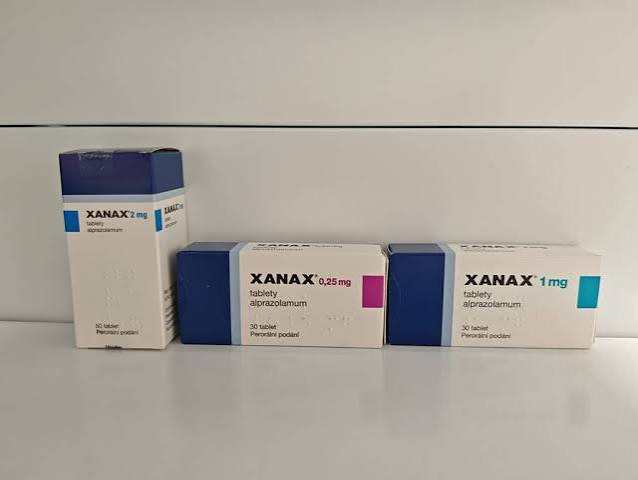
Lorazepam
$0.00
$0.00
Description
Lorazepam: Pharmacology, Medical Uses, Risks & Safety
Lorazepam is a prescription medicine belonging to the benzodiazepine class of central nervous system (CNS) depressants. It produces its primary effects by enhancing the activity of gamma-aminobutyric acid (GABA), an inhibitory neurotransmitter that helps regulate neuronal activity throughout the brain. Lorazepam has established medical applications in certain anxiety-related conditions and specific neurological and acute-care settings.
Because benzodiazepines can produce sedation, impaired coordination, tolerance, and physical dependence, lorazepam requires careful medical supervision. This educational page provides information about lorazepam pharmacology, clinical applications, potential adverse effects, interactions, dependence, withdrawal, and safety considerations.
How Lorazepam Works
Lorazepam acts at the GABA-A receptor complex in the central nervous system. Benzodiazepines do not replace GABA; instead, they enhance the inhibitory effects of GABA at its receptor. Increased inhibitory signaling reduces excessive neuronal activity and contributes to lorazepam's anxiolytic, sedative, anticonvulsant, and muscle-relaxant properties.
Medical Uses
Lorazepam may be prescribed for the management of certain anxiety disorders and anxiety symptoms. It also has important clinical applications in acute neurological care, including the treatment of certain seizure emergencies. In hospital settings, lorazepam may also be used as part of specific medical protocols requiring controlled sedation.
The appropriate clinical role of lorazepam depends on the patient's diagnosis, medical history, other medications, and treatment objectives. Benzodiazepine therapy is generally evaluated carefully because prolonged exposure can result in physiological dependence.
Effects on the Central Nervous System
By increasing GABA-mediated inhibition, lorazepam decreases excessive neuronal activity. Depending on the clinical context, this can reduce anxiety, suppress abnormal electrical activity associated with seizures, and produce sedation.
CNS effects can also include reduced alertness, slower reaction time, impaired concentration, dizziness, and decreased coordination. These effects may become more pronounced when lorazepam is combined with other CNS depressants.
Potential Side Effects
Potential adverse effects associated with lorazepam may include:
- Drowsiness and fatigue
- Dizziness or lightheadedness
- Reduced alertness and concentration
- Impaired coordination
- Memory or cognitive difficulties
- Muscle weakness
- Changes in mood or behavior
More serious CNS depression may occur in some circumstances. Particular caution is necessary when lorazepam is combined with opioids or other substances that can substantially depress the central nervous system.
Tolerance and Physical Dependence
Repeated exposure to benzodiazepines can lead to tolerance and physical dependence. Tolerance refers to reduced effects after continued exposure, while physical dependence means that the nervous system has adapted to the presence of the medicine.
Dependence can develop even when a medicine is taken under medical supervision. The likelihood and severity can vary according to treatment duration, individual factors, and other medicines being used.
Lorazepam Withdrawal
Stopping lorazepam suddenly after regular use can cause withdrawal symptoms because the nervous system may have adapted to enhanced GABAergic activity. Symptoms can include anxiety, sleep disturbance, agitation, tremor, and other neurological or psychological effects.
In some circumstances, withdrawal from benzodiazepines can produce serious complications, including seizures. Therefore, people who have been taking lorazepam regularly should not discontinue treatment abruptly without guidance from a qualified healthcare professional.
Drug Interactions
Lorazepam can interact with medicines and substances that affect the central nervous system. Opioids are particularly important because combined CNS-depressant effects can increase sedation and respiratory-depression risk.
Patients should provide their healthcare professional with a complete list of prescription medicines, non-prescription medicines, supplements, and other substances so that potential interactions can be assessed.
Pharmacological Properties
| Property | Information |
|---|---|
| Drug class | Benzodiazepine |
| Primary receptor system | GABA-A receptor complex |
| Primary pharmacological action | Enhancement of GABA-mediated inhibitory signaling |
| Major effects | Anxiolytic, sedative, anticonvulsant and muscle-relaxant effects |
| Primary system affected | Central nervous system |
| Dependence potential | Physical dependence can occur with continued use |
Pharmacokinetic Considerations
Lorazepam is metabolized primarily through conjugation rather than extensive oxidative metabolism by the cytochrome P450 system. This pharmacokinetic characteristic distinguishes it from some other benzodiazepines and is relevant when clinicians evaluate potential drug interactions and patient-specific factors.
Its pharmacokinetic profile, together with its CNS effects, contributes to its clinical usefulness in selected situations while also requiring appropriate monitoring for sedation and other adverse effects.
Lorazepam and Cognitive Function
Benzodiazepines can influence attention, memory, reaction time, and coordination. These effects vary between individuals and may depend on factors such as age, treatment duration, other medicines, and underlying health conditions.
Reduced alertness and coordination may be clinically significant for people who need to perform activities requiring sustained attention or rapid reactions. Healthcare professionals consider these factors when evaluating the risks and benefits of treatment.
Clinical Research
Research involving lorazepam has contributed to understanding benzodiazepine pharmacology, GABA-A receptor activity, anxiety treatment, seizure management, sedation, and the development of strategies for reducing medication-related risks.
Research also continues to examine benzodiazepine dependence, withdrawal, cognitive effects, treatment duration, drug interactions, and approaches for balancing therapeutic benefits with long-term safety.
Safety Considerations
- Lorazepam can cause drowsiness, dizziness, and impaired coordination.
- Combining lorazepam with opioids or other strong CNS depressants can increase respiratory-depression risk.
- Regular exposure can result in physical dependence.
- Abrupt discontinuation after ongoing treatment can cause withdrawal complications.
- Older adults may be more susceptible to sedation and coordination problems.
- Healthcare professionals should be informed about all medicines and supplements being taken.
Conclusion
Lorazepam is a benzodiazepine whose primary pharmacological action involves enhancement of GABA-A receptor-mediated inhibitory signaling in the central nervous system. This mechanism supports its medical use in selected anxiety-related conditions and specific neurological or acute-care settings.
At the same time, lorazepam can produce clinically important sedation, impaired coordination, dependence, withdrawal effects, and interactions with other CNS depressants. Understanding both its pharmacology and safety profile is therefore essential for responsible clinical decision-making. This information is intended for educational and research purposes and does not replace advice from a qualified healthcare professional.