Suboxone
$0.00
$0.00
Description
Suboxone: Overview
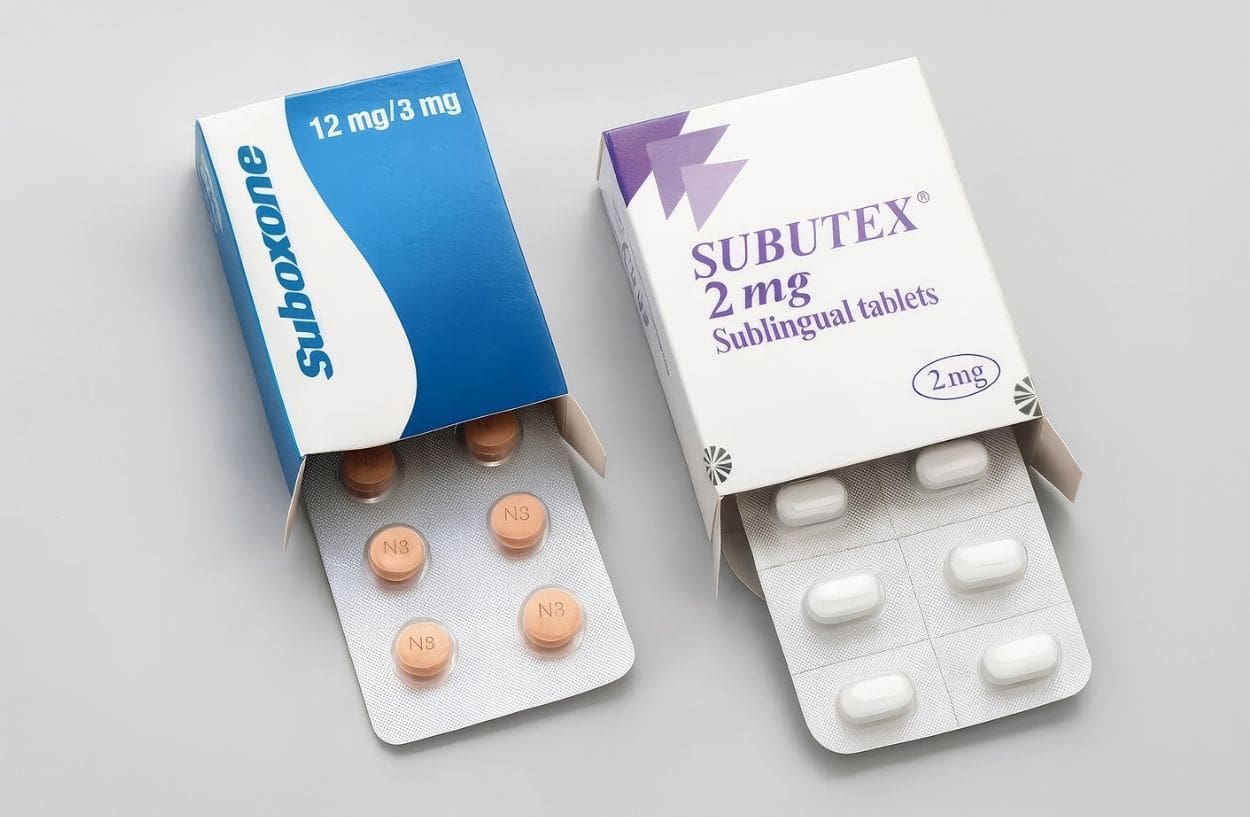
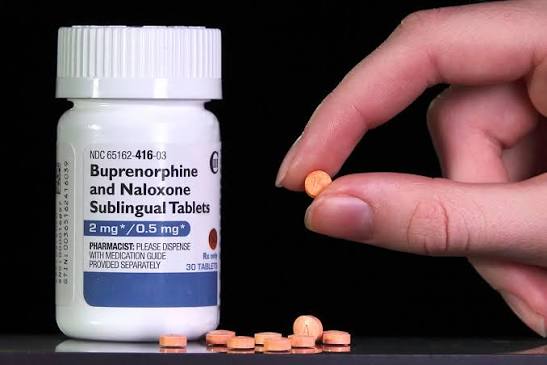
Suboxone is a prescription medication containing buprenorphine and naloxone. It is used as part of medication-based treatment for opioid use disorder. Buprenorphine is a partial opioid agonist that acts strongly at mu-opioid receptors, while naloxone is an opioid antagonist included in the formulation.
The combination has an important role in modern addiction medicine. Buprenorphine can reduce opioid withdrawal symptoms and cravings, while naloxone contributes to the formulation's safety profile. Because Suboxone contains an opioid medication, appropriate medical supervision remains important.
How Suboxone Works
The buprenorphine component primarily acts as a partial agonist at mu-opioid receptors. It binds strongly to these receptors and produces opioid effects that can help reduce withdrawal symptoms and cravings in people receiving treatment for opioid use disorder.
Naloxone is an opioid receptor antagonist. It has a strong affinity for opioid receptors but does not produce the same opioid effects as buprenorphine. Its inclusion is intended to reduce certain risks associated with inappropriate manipulation of the medication.
Suboxone combines buprenorphine, a partial opioid agonist, with naloxone, an opioid antagonist. Together they form an established medication used in opioid use disorder treatment.
Medical Uses
Suboxone is used as part of a comprehensive treatment approach for opioid use disorder. Buprenorphine can help stabilize opioid receptor activity, reduce withdrawal symptoms, and decrease opioid cravings.
Medication treatment may be combined with behavioral healthcare, counseling, recovery support, and ongoing clinical monitoring depending on the individual's circumstances.
The specific indication, formulation, and regulatory requirements can vary between countries and products. Current prescribing information should therefore be consulted for a particular formulation.
Buprenorphine Pharmacology
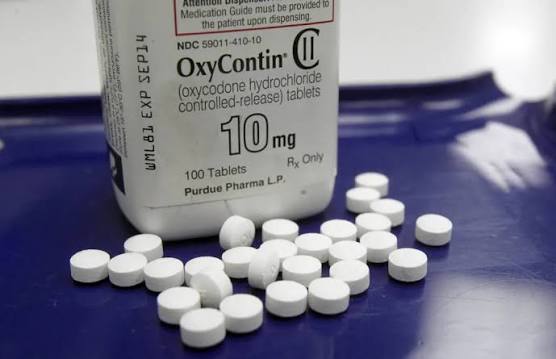
Buprenorphine has high affinity for mu-opioid receptors and acts as a partial agonist. This pharmacological property distinguishes it from full opioid agonists such as morphine, oxycodone, and hydrocodone.
Buprenorphine's partial agonist activity contributes to a different pharmacological response profile, although it does not eliminate the possibility of serious adverse effects. Respiratory depression and other opioid-related effects can still occur.
Naloxone Pharmacology
Naloxone is a competitive opioid receptor antagonist. It can displace opioid agonists from opioid receptors and is widely recognized for its role in emergency treatment of opioid overdose.
In Suboxone, naloxone is included as part of the combination formulation. Its pharmacological properties differ substantially from those of buprenorphine, and understanding both ingredients is important when evaluating the medication.
Suboxone contains an opioid medication and can cause serious adverse effects, including respiratory depression. The risk can increase when buprenorphine is combined with certain sedating medicines or other central nervous system depressants.
Potential Side Effects
Potential side effects associated with buprenorphine-containing medicines can include headache, nausea, vomiting, constipation, sweating, dizziness, drowsiness, and other opioid-related effects.
More serious effects may include respiratory depression, particularly when Suboxone is combined with other medicines that suppress central nervous system activity.
Individual responses vary according to factors such as medical history, other medicines, previous opioid exposure, and individual metabolism.
Respiratory Safety
Although buprenorphine is a partial opioid agonist, it can still affect the brain systems that regulate breathing. Clinically significant respiratory depression can occur, particularly when opioids are combined with other central nervous system depressants.
Severe sedation, difficulty remaining awake, or abnormal breathing requires immediate medical attention.
Dependence and Tolerance
Because buprenorphine acts on opioid receptors, continued exposure can result in physical dependence and tolerance. Physical dependence means that the body has adapted to continued exposure to the medication.
Physical dependence is different from opioid use disorder. Buprenorphine can produce physical dependence while simultaneously being used as an evidence-based medication to treat opioid use disorder.
Drug Interactions
Suboxone can interact with medicines that affect the central nervous system or alter buprenorphine metabolism. Combining buprenorphine with other sedating medicines can increase the risk of excessive sedation and respiratory depression.
Healthcare professionals should also consider other medications that may affect liver enzymes or otherwise change buprenorphine exposure.
A complete medication history should be reviewed before Suboxone treatment is started or changed. This includes prescription medicines, over-the-counter products, and other clinically relevant substances.
Suboxone and Other Opioids
Because buprenorphine binds strongly to opioid receptors, it can influence the effects of other opioids. This receptor activity is an important consideration when transitioning between opioid medicines.
Changes between opioid treatments should be managed by qualified healthcare professionals because the timing and clinical circumstances can influence withdrawal symptoms and treatment response.
Suboxone in Opioid Use Disorder Treatment
Buprenorphine-containing medicines are an important part of evidence-based treatment for opioid use disorder. Treatment aims to reduce uncontrolled opioid use, withdrawal symptoms, cravings, and the risk of opioid-related harm.
Medication treatment is generally individualized according to the person's clinical history, treatment goals, response to therapy, and access to appropriate support services.
Suboxone Formulation
Suboxone combines buprenorphine and naloxone in a single medication. The exact formulation and delivery system can depend on the specific product and jurisdiction.
Different buprenorphine products are not necessarily interchangeable because their formulations, approved uses, and prescribing information may differ. The specific product information should therefore be reviewed when evaluating treatment.
Scientific Research
Buprenorphine and naloxone have been extensively studied in addiction medicine, pharmacology, neuroscience, and public health. Research has examined opioid receptor binding, partial agonist activity, treatment retention, withdrawal suppression, craving reduction, respiratory effects, and long-term treatment outcomes.
Research continues to evaluate ways to improve access to evidence-based treatment for opioid use disorder while reducing opioid-related morbidity and mortality.
Special Safety Considerations
Clinical assessment is particularly important for individuals with respiratory disorders, liver problems, other significant medical conditions, or medicines that can interact with opioids.
Pregnancy and other special clinical circumstances require individualized medical guidance. Healthcare professionals consider the patient's medical history, current medications, and treatment goals when evaluating buprenorphine-based treatment.
Responsible Medical Use
Suboxone should be used only within an appropriate medical treatment program and according to the prescribing information for the specific formulation. Patients should discuss all current medicines and relevant medical conditions with their healthcare professionals.
Because buprenorphine can produce physical dependence, changes to an established treatment plan should be managed with appropriate professional guidance.
Summary
Suboxone is a combination medication containing buprenorphine and naloxone that is used as part of medical treatment for opioid use disorder. Buprenorphine acts as a partial mu-opioid receptor agonist, while naloxone acts as an opioid antagonist.
Important safety considerations include sedation, respiratory depression, physical dependence, drug interactions, and individual differences in treatment response. Its combination pharmacology has made Suboxone an important medication in modern opioid use disorder treatment.
This information is provided for educational purposes only and is not a substitute for professional medical advice, diagnosis, or treatment. Suboxone is a prescription medication containing an opioid and should be used only under appropriate medical supervision.