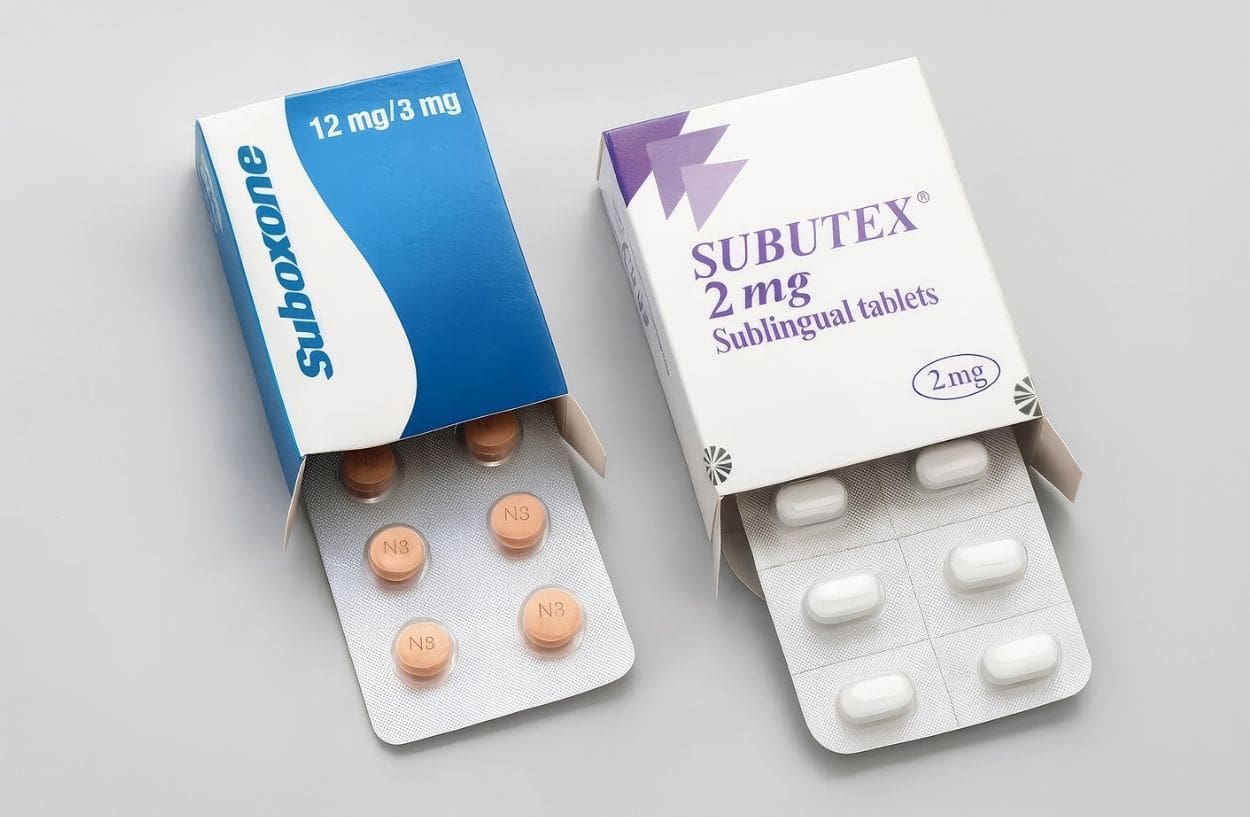
Subutex
$0.00
$0.00
Description
Subutex (Buprenorphine): Overview
Subutex is a brand name associated with buprenorphine, a medication that has been used in the treatment of opioid dependence and opioid use disorder. Buprenorphine belongs to the opioid class but differs pharmacologically from full opioid agonists such as morphine, oxycodone, and methadone.
Buprenorphine acts primarily as a partial agonist at mu-opioid receptors. This distinctive receptor activity allows it to reduce opioid withdrawal symptoms and cravings in appropriately supervised treatment while producing a different pharmacological profile from full opioid agonists.
What Is Buprenorphine?
Buprenorphine is a semi-synthetic opioid with high affinity for mu-opioid receptors. It has been extensively studied in addiction medicine, pharmacology, pain research, and neuroscience.
Unlike full opioid agonists, buprenorphine is described as a partial opioid agonist. This means that it activates mu-opioid receptors but has different intrinsic activity compared with full agonists.
Subutex contains buprenorphine, a partial mu-opioid receptor agonist used in evidence-based treatment for opioid dependence and opioid use disorder.
How Buprenorphine Works
Buprenorphine binds strongly to mu-opioid receptors in the central nervous system. Its high receptor affinity and partial agonist properties are central to its medical role in opioid use disorder treatment.
Buprenorphine also has activity at other opioid receptor systems. Its overall receptor profile contributes to its distinctive effects and has made it an important subject of pharmacological research.
- Mu-opioid receptors: buprenorphine acts as a partial agonist with high receptor affinity.
- Opioid withdrawal: receptor activity can help reduce withdrawal symptoms in appropriately managed treatment.
- Cravings: stable opioid receptor activity can help reduce opioid cravings.
- Central nervous system: buprenorphine can affect alertness, breathing, and other neurological functions.
Medical Uses
Buprenorphine has an established role in the medical treatment of opioid use disorder. Treatment is provided as part of an appropriate clinical plan and may include medical assessment, ongoing monitoring, behavioral support, and other recovery services.
Buprenorphine is also available in different pharmaceutical products for different approved medical indications. The formulation, brand, and regulatory status should therefore be verified using current official product information.
Subutex and Opioid Use Disorder
One of the primary medical applications associated with Subutex is treatment of opioid dependence. Buprenorphine can help stabilize opioid receptor activity and reduce withdrawal symptoms and cravings.
Medication treatment for opioid use disorder is supported by extensive clinical research. Treatment decisions are individualized according to factors such as medical history, previous opioid exposure, other medications, and overall treatment needs.
Opioid use disorder is a treatable medical condition. Buprenorphine is one of several evidence-based medications that healthcare professionals may use as part of treatment.
Partial Agonist Pharmacology
The partial agonist properties of buprenorphine distinguish it from full opioid agonists. Its effects do not increase in exactly the same way as those of full agonists across all pharmacological endpoints.
However, partial agonist activity does not mean that buprenorphine is free from serious risks. Respiratory depression and other opioid-related adverse effects remain possible, particularly in clinically important drug-interaction situations.
Potential Side Effects
Potential adverse effects associated with buprenorphine can include headache, nausea, constipation, sweating, dizziness, drowsiness, and other opioid-related effects.
| Potential Effect | General Information |
|---|---|
| Drowsiness | Central nervous system effects may reduce alertness. |
| Nausea | Gastrointestinal effects may occur during treatment. |
| Constipation | Opioid receptor activity can reduce gastrointestinal motility. |
| Dizziness | Some individuals may experience dizziness or light-headedness. |
| Respiratory effects | Clinically significant respiratory depression remains possible. |
Respiratory Depression
Buprenorphine can affect respiratory function. Although its partial agonist pharmacology differs from that of full opioid agonists, serious respiratory depression can still occur.
Risk becomes particularly important when buprenorphine is combined with other medicines or substances that depress the central nervous system.
Buprenorphine can cause serious respiratory depression, especially in combination with other central nervous system depressants. Severe difficulty staying awake or abnormal breathing requires immediate medical attention.
Drug Interactions
Buprenorphine can interact with medicines that affect the central nervous system or influence its metabolism. Some combinations can substantially increase sedation and respiratory risks.
Healthcare professionals should therefore review prescription medicines, over-the-counter products, and other relevant substances when evaluating buprenorphine treatment.
Drug interactions are an important consideration with buprenorphine. Treatment should be managed using the individual's complete medical and medication history.
Physical Dependence
Because buprenorphine is an opioid, continued exposure can produce physical dependence. Physical dependence means that physiological adaptation has occurred and withdrawal symptoms may develop following significant treatment changes.
Physical dependence should not be confused with opioid use disorder. Buprenorphine itself is used therapeutically to treat opioid use disorder under appropriate medical supervision.
Withdrawal Considerations
Changes to ongoing buprenorphine treatment can produce withdrawal symptoms in physically dependent individuals. For this reason, treatment changes should be planned with an appropriately qualified healthcare professional.
The timing and clinical management of buprenorphine treatment are medically important because its strong receptor affinity can influence interactions with other opioids.
Subutex and Suboxone
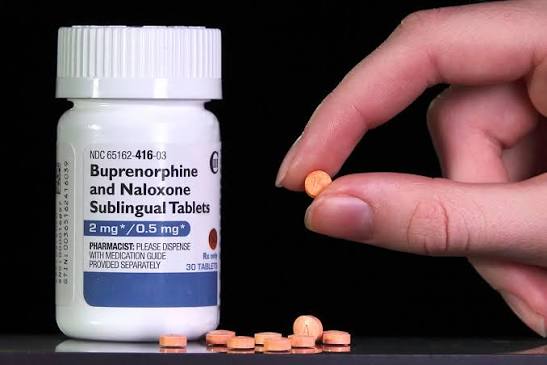
Subutex and Suboxone are names associated with different buprenorphine formulations. Subutex is associated with a buprenorphine-only formulation, whereas Suboxone combines buprenorphine with naloxone.
| Characteristic | Subutex | Suboxone |
|---|---|---|
| Main opioid ingredient | Buprenorphine | Buprenorphine |
| Additional naloxone | No | Yes |
| Pharmacological class | Partial opioid agonist | Partial opioid agonist plus opioid antagonist |
| Clinical context | Historically associated with opioid-dependence treatment | Used in opioid use disorder treatment according to applicable clinical guidance |
Buprenorphine in Scientific Research
Buprenorphine has been extensively investigated in addiction medicine, neuroscience, pharmacology, and public-health research. Researchers have studied its receptor-binding characteristics, partial agonist activity, treatment outcomes, withdrawal suppression, treatment retention, respiratory effects, and drug interactions.
Research continues to examine ways to improve access to effective opioid use disorder treatment while reducing overdose, treatment discontinuation, and other opioid-related harms.
Regulatory and Product Considerations
The availability and branding of buprenorphine products can differ between countries and can change over time. Historical brand information should therefore be distinguished from the current availability of buprenorphine-containing medications.
Current regulatory information and official labeling should be consulted when determining the approved indications and availability of a specific pharmaceutical product.
Key Safety Considerations
- Subutex is associated with the opioid medication buprenorphine.
- Buprenorphine is a partial agonist at mu-opioid receptors.
- It has an established role in treatment for opioid use disorder.
- Buprenorphine can cause physical dependence.
- Respiratory depression remains a potentially serious adverse effect.
- Interactions with other central nervous system depressants can increase risk.
- Subutex and Suboxone are different pharmaceutical formulations.
- Current product availability and regulatory status can vary by jurisdiction.
Summary
Subutex is a brand associated with buprenorphine, a partial opioid agonist with an established role in the treatment of opioid dependence and opioid use disorder. Its high affinity for mu-opioid receptors and partial agonist pharmacology distinguish it from many full opioid agonists.
Important safety considerations include sedation, respiratory depression, physical dependence, withdrawal, and interactions with other medicines. Appropriate clinical supervision is an important part of buprenorphine treatment.
This information is provided for educational and scientific purposes only and is not a substitute for professional medical advice, diagnosis, or treatment. Buprenorphine-containing medicines should be managed under appropriate professional medical supervision.