Dimethyltryptamine (DMT)
$0.00
$0.00
Description
Dimethyltryptamine (DMT): Pharmacology, Effects, Risks & Research
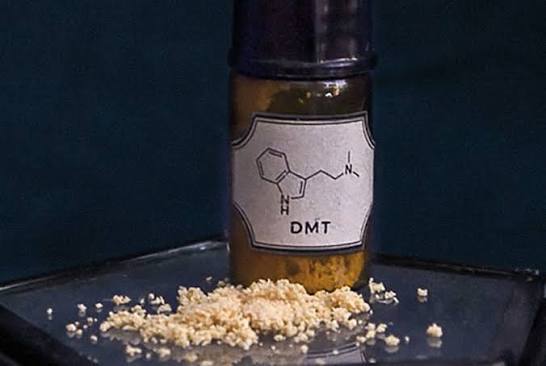
Dimethyltryptamine (DMT) is a naturally occurring psychedelic compound belonging to the tryptamine family. It is structurally related to serotonin and several other biologically active tryptamines. DMT can produce profound alterations in perception, cognition, emotion, and awareness and is therefore an important subject of neuropharmacological and psychedelic research.
DMT's primary effects are associated with interactions with serotonin receptors in the central nervous system. The intensity and character of its effects can vary substantially between individuals and circumstances. This page provides educational information about DMT pharmacology, neuroscience, potential risks, and current research without providing instructions for preparation, dosing, administration, or non-medical use.
How DMT Works
DMT interacts with several serotonin receptor systems, with 5-HT2A receptor activity considered particularly important to its psychedelic effects. Activation of serotonin receptors involved in cortical signaling can alter communication between brain regions responsible for perception, sensory processing, cognition, and emotional experiences.
DMT also interacts with other serotonin receptors and molecular targets, contributing to its complex pharmacological profile. Research continues to investigate how these receptor interactions relate to the characteristic changes in perception and consciousness associated with psychedelic compounds.
Reported Effects
DMT can produce substantial changes in sensory perception and consciousness. Reported effects may include altered visual perception, changes in the sense of time, unusual thought patterns, changes in emotional experience, and a modified sense of self or surroundings.
Psychological responses can vary considerably. Some individuals may experience fear, anxiety, confusion, or distress, particularly when the altered state becomes overwhelming.
Potential Side Effects
Potential adverse effects associated with DMT exposure may include:
- Increased heart rate
- Changes in blood pressure
- Dizziness or impaired coordination
- Nausea or gastrointestinal discomfort
- Anxiety or agitation
- Confusion or disorientation
- Distorted perception
- Acute psychological distress
Psychological effects can be particularly significant because DMT may produce rapid and profound changes in perception and consciousness. Individual responses can be unpredictable.
Cardiovascular Effects
Psychedelic compounds such as DMT can influence autonomic nervous-system activity. DMT exposure may be associated with temporary increases in heart rate and blood pressure.
These physiological effects can be clinically relevant for individuals with cardiovascular disease or other conditions in which sudden changes in cardiovascular function may present additional risk.
Psychological and Mental Health Considerations
DMT can produce powerful changes in perception, thought processes, and emotional experience. Acute anxiety, panic, confusion, or psychological distress may occur in some individuals.
People with a personal or family history of certain serious psychiatric disorders may require particular caution when psychedelic substances are being considered in a clinical or research context. Appropriate screening and professional supervision are important components of legitimate psychedelic research.
Pharmacological Properties
| Property | Information |
|---|---|
| Full name | Dimethyltryptamine |
| Abbreviation | DMT |
| Compound class | Tryptamine psychedelic |
| Major receptor system | Serotonin receptors, particularly 5-HT2A |
| Major pharmacological effects | Altered perception, cognition, emotion, and consciousness |
| Important physiological effects | Changes in heart rate and blood pressure may occur |
Metabolism and Pharmacokinetics
DMT is metabolized extensively by enzymes including monoamine oxidase (MAO). This metabolism is an important factor in understanding its pharmacological behavior and the differences observed between various research formulations and experimental conditions.
Individual metabolic differences and interactions with other medicines can potentially alter the pharmacological profile of DMT. These factors are carefully considered in controlled research environments.
DMT and Serotonin Signaling
The relationship between DMT and serotonin signaling is a major area of neuroscience research. Activation of 5-HT2A receptors can influence cortical neuronal activity and communication between neural networks.
Researchers are investigating how these changes may contribute to altered sensory processing, changes in cognition, and the unusual subjective experiences reported with psychedelic compounds.
Drug and Medication Interactions
DMT can interact with medicines and substances that affect serotonin signaling or monoamine metabolism. Particular attention is given to medicines that influence monoamine oxidase or substantially alter serotonin activity.
Because potentially serious interactions can occur with some medications, a complete medication history is important in legitimate clinical or research settings. DMT should not be considered pharmacologically isolated from other medicines a person may be taking.
Dependence and Long-Term Considerations
DMT does not have the same dependence profile as substances such as opioids or benzodiazepines. However, this does not mean that psychedelic exposure is without risk.
Repeated exposure may have psychological and behavioral implications, while the effects of psychedelic experiences can be unpredictable. Research continues to examine the long-term neurological and psychological consequences of psychedelic exposure.
Clinical and Scientific Research
DMT has become an important subject of modern psychedelic research. Studies have examined serotonin receptor pharmacology, altered states of consciousness, neural-network activity, perception, psychiatric applications, and the biological mechanisms underlying psychedelic experiences.
Researchers are also investigating whether carefully controlled psychedelic-assisted approaches could have therapeutic applications for selected psychiatric conditions. Such research is conducted under controlled protocols involving screening, monitoring, and professional oversight.
Safety Considerations
- DMT can cause intense and unpredictable changes in perception and consciousness.
- Temporary increases in heart rate and blood pressure may occur.
- Medication interactions involving serotonin or monoamine metabolism can be clinically important.
- People with certain psychiatric or cardiovascular conditions may face additional risks.
- Acute anxiety, confusion, or psychological distress can occur.
- Controlled clinical research requires appropriate screening and professional monitoring.
Conclusion
Dimethyltryptamine (DMT) is a potent tryptamine psychedelic whose effects are strongly associated with serotonin receptor activity, particularly at the 5-HT2A receptor. Its pharmacology can produce profound changes in perception, cognition, emotion, and consciousness.
Important considerations include cardiovascular effects, acute psychological responses, medication interactions, and individual variability. DMT continues to be studied in neuroscience and psychedelic research, including investigations into altered states of consciousness and potential therapeutic applications. This information is intended for educational and research purposes and does not replace advice from a qualified healthcare professional.