Psilocybin (magic mushrooms
$0.00
$0.00
Description
Psilocybin (Magic Mushrooms): Pharmacology, Effects, Research & Safety
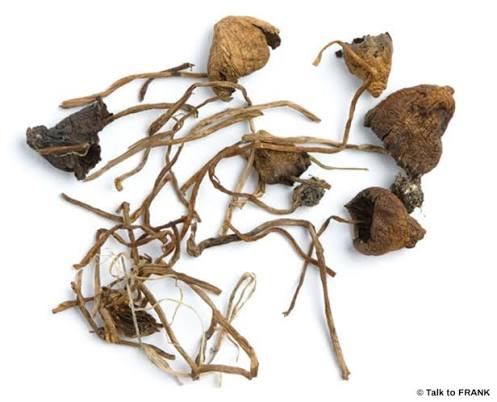
Psilocybin is a naturally occurring psychedelic compound found in several species of fungi commonly known as magic mushrooms. After entering the body, psilocybin is converted into its active metabolite, psilocin, which interacts with serotonin receptors in the central nervous system. This activity can produce substantial changes in perception, mood, cognition, sensory processing, and the subjective experience of time and self.
Psilocybin has become an important subject of modern neuroscience and psychiatric research. Researchers are studying its effects on brain networks, emotional processing, and conditions such as depression and other psychiatric disorders. However, research findings from controlled clinical environments should not be interpreted as evidence that unsupervised exposure to psychedelic substances is safe.
What Is Psilocybin?
Psilocybin is a naturally occurring tryptamine psychedelic. It is found in a number of fungal species, although the concentration of psilocybin and related compounds can vary considerably between species, individual mushrooms, and samples.
Once metabolized to psilocin, the compound can influence serotonin signaling in the brain. This mechanism is associated with the characteristic psychedelic effects of psilocybin and is an important area of pharmacological research.
How Psilocybin Affects the Brain
Psilocin has activity at several serotonin receptor systems, with 5-HT2A receptor signaling considered particularly important to psychedelic effects. Changes in serotonin signaling can influence communication between brain regions involved in perception, attention, emotion, and self-related processing.
Neuroimaging research has reported changes in functional connectivity and network organization following psychedelic exposure. These findings have contributed to scientific interest in how altered brain-network dynamics may relate to changes in perception and psychological experience.
Reported Psychological and Perceptual Effects
Psilocybin can produce substantial alterations in consciousness. Reported effects may include changes in sensory perception, emotional intensity, thoughts, time perception, and the sense of self.
| Area | Potential Effects |
|---|---|
| Perception | Altered visual and sensory perception |
| Cognition | Changes in thought patterns and attention |
| Mood | Changes in emotional intensity and mood |
| Time perception | Altered perception of the passage of time |
Potential Adverse Effects and Risks
Although psilocybin is being investigated in controlled research environments, it can produce unwanted psychological and physical effects. Reactions can vary substantially between individuals and may be influenced by biological factors, psychological state, environment, and the composition of the material involved.
Potential adverse effects can include anxiety, fear, confusion, nausea, dizziness, increased heart rate, changes in blood pressure, headache, and temporary difficulties with judgment or coordination.
Psilocybin and Clinical Research
Psilocybin is being investigated in controlled clinical studies for several psychiatric and psychological conditions. Research has examined potential changes in depressive symptoms, anxiety associated with serious illness, and other mental-health outcomes.
Clinical research typically involves carefully selected participants, standardized substances, controlled environments, medical screening, trained professionals, and structured psychological support. These conditions are substantially different from uncontrolled exposure and are important when interpreting research findings.
Dependence and Tolerance
Psilocybin does not have the same dependence profile as many substances associated with severe physical dependence. Rapid tolerance to psychedelic effects can occur, meaning repeated exposure over a short period may produce reduced effects. However, the absence of a typical physical-dependence pattern does not mean that psilocybin is without psychological or other risks.
Drug Interactions and Health Considerations
Psilocybin can interact with medications and other substances that affect serotonin or the central nervous system. The scientific understanding of many possible combinations remains incomplete, and individual responses can be unpredictable.
People with certain psychiatric, neurological, cardiovascular, or other medical conditions may require particular caution. Clinical research protocols generally use medical screening to identify participants for whom psychedelic exposure may be inappropriate.
Variability in Magic Mushroom Samples
An important research challenge is the variability of naturally occurring mushroom material. Different fungal species and individual samples can contain different amounts of psilocybin, psilocin, and other compounds.
Laboratory analysis can help characterize chemical composition and reduce uncertainty. Without analytical testing, the exact chemical profile of a naturally derived sample may be difficult to establish.
Psilocybin Research and Neuroscience
Modern psilocybin research is helping scientists investigate relationships between serotonin signaling, brain-network organization, perception, emotion, and consciousness. Neuroimaging and behavioral studies have provided evidence that psychedelic compounds can temporarily modify communication between normally distinct functional brain networks.
Researchers continue to investigate whether these neurobiological changes can help explain the psychological effects observed in controlled studies and whether they have therapeutic relevance.
Age and Brain Development
Adolescence and young adulthood are important periods of neurological development. Because psychedelic compounds can substantially affect perception, cognition, and emotional processing, exposure during developmental stages raises additional safety concerns. Research involving younger populations is therefore subject to specific ethical and clinical considerations.
Conclusion
Psilocybin is a naturally occurring psychedelic compound with significant effects on serotonin signaling and conscious experience. Its conversion to psilocin and activity at serotonin receptors, particularly 5-HT2A receptors, are central areas of pharmacological research.
While controlled clinical studies are investigating potential therapeutic applications, psilocybin can also produce unpredictable psychological and physical effects. Differences in mushroom species, chemical composition, individual health factors, and interactions with other substances make safety assessment complex.
Continued laboratory, neuroscience, and clinical research is important for understanding the potential therapeutic applications and risks associated with psilocybin.