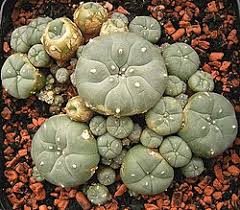
Peyote
$0.00
$0.00
Description
Peyote: Mescaline Pharmacology, Effects, Research & Safety
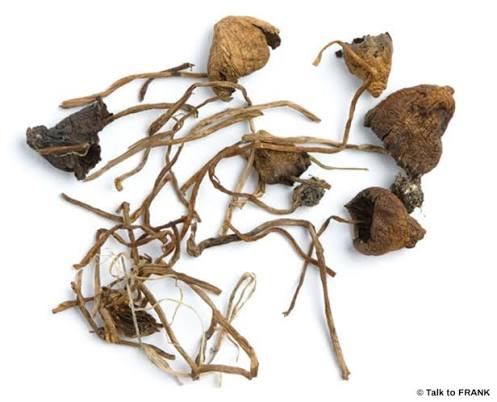
Peyote is a small cactus scientifically known as Lophophora williamsii. It contains naturally occurring psychoactive alkaloids, most notably mescaline, a classical psychedelic compound. Mescaline primarily affects serotonin signaling in the brain and can produce significant changes in perception, cognition, mood, sensory processing, and the subjective experience of time.
Peyote has a long history of traditional and ceremonial use among certain Indigenous communities of North America. In modern science, peyote and mescaline have also been studied as part of research into psychedelic pharmacology, consciousness, perception, and brain function. Traditional cultural practices and modern scientific research represent different contexts and should not be treated as interchangeable.
What Is Peyote?
Peyote is a small, spineless cactus native to parts of Mexico and the southern United States. Its biological activity is associated primarily with its naturally occurring alkaloids, particularly mescaline.
Mescaline belongs to the phenethylamine class of psychedelics. Its pharmacological effects are strongly associated with serotonin receptor signaling, especially activity involving the 5-HT2A receptor.
Mescaline and the Brain
Mescaline interacts with several serotonin receptor systems in the central nervous system. Activity at 5-HT2A receptors is considered particularly important for the characteristic effects of classical psychedelics.
Activation of these receptor systems can alter communication between brain regions involved in sensory processing, attention, emotion, cognition, and self-related awareness. Researchers continue to investigate how these molecular effects translate into changes in conscious experience.
Reported Psychological and Perceptual Effects
Psychedelic exposure to mescaline can produce substantial alterations in perception and cognition. Reported experiences may include changes in visual perception, sensory processing, emotional intensity, thought patterns, and the perception of time.
| Domain | Potential Changes |
|---|---|
| Perception | Altered visual and sensory processing |
| Cognition | Changes in thoughts, attention, and interpretation of surroundings |
| Mood | Changes in emotional intensity and subjective mood |
| Time perception | Altered perception of elapsed time |
| Self-perception | Changes in the subjective experience of self and environment |
Potential Adverse Effects
Mescaline and peyote can produce unwanted psychological and physical effects. These may include anxiety, fear, confusion, dizziness, nausea, vomiting, headache, increased heart rate, and changes in blood pressure.
Strong psychedelic experiences can also result in significant psychological distress or impaired judgment. Individual reactions can vary according to biological factors, psychological state, environmental conditions, and interactions with other substances or medications.
Cardiovascular and Physical Effects
Mescaline can influence autonomic nervous system activity. Physiological effects may include changes in heart rate, blood pressure, pupil size, and gastrointestinal activity.
These effects are important considerations in pharmacological and toxicological research. Individuals with underlying cardiovascular or other medical conditions may require particular clinical consideration when psychedelic exposure is being evaluated.
Psychological Health Considerations
Psychedelic compounds can substantially influence mood, perception, and thought processes. Some individuals may experience anxiety, confusion, fear, or other distressing psychological reactions.
Research involving psychedelic compounds generally uses carefully controlled environments and participant screening. These conditions are important because controlled research findings cannot automatically be applied to uncontrolled exposure.
Dependence and Tolerance
Mescaline is not generally associated with the same pattern of physical dependence seen with opioids or some other psychoactive substances. However, rapid tolerance to psychedelic effects can develop with repeated exposure.
The absence of typical physical dependence does not mean peyote or mescaline is without risks. Psychological distress, impaired judgment, accidental injury, and adverse reactions remain important considerations.
Drug Interactions
Mescaline may interact with medicines and other substances that influence serotonin signaling, cardiovascular function, or central nervous system activity. The effects of some combinations are not completely understood.
Drug-interaction assessment is therefore an important component of clinical and pharmacological research involving psychedelic compounds. Medical studies may evaluate medications and health conditions before participants are exposed to an investigational psychedelic.
Peyote and Scientific Research
Mescaline has played an important role in the history of psychedelic research. Scientific investigations have examined its effects on perception, cognition, emotion, sensory processing, and consciousness.
More recent psychedelic research has renewed scientific interest in classical psychedelics and their potential therapeutic applications. However, evidence from controlled studies should be interpreted within the specific clinical protocols under which it was obtained.
Cultural and Traditional Context
Peyote has significant cultural and spiritual importance for some Indigenous peoples. The Native American Church and other Indigenous traditions have incorporated peyote into religious and ceremonial practices.
Understanding peyote therefore requires consideration of both its pharmacological properties and its cultural context. Scientific descriptions of mescaline pharmacology do not replace or define the cultural meaning of traditional peyote practices.
Plant and Chemical Variability
Naturally occurring peyote contains multiple alkaloids, and its chemical profile can vary between individual plants and biological samples. This variability is relevant to laboratory research because researchers need accurate characterization of the compounds being investigated.
Analytical chemistry techniques can be used to identify and quantify naturally occurring alkaloids and help researchers understand the relationship between chemical composition and biological effects.
Age and Brain Development
Adolescence and young adulthood involve substantial neurological development. Psychoactive compounds that significantly alter serotonin signaling, perception, and cognition raise additional developmental concerns.
Research involving younger populations is subject to strict ethical and clinical requirements. Findings from adult psychedelic studies should not automatically be generalized to developing brains.
Conclusion
Peyote is a culturally significant cactus containing mescaline and other naturally occurring alkaloids. Mescaline is a classical psychedelic whose effects are strongly associated with serotonin receptor signaling, particularly activity involving the 5-HT2A receptor.
Scientific research has provided important information about mescaline's effects on perception, cognition, brain function, and consciousness. At the same time, psychedelic exposure can produce unpredictable psychological and physiological effects.
Continued research is important for understanding mescaline pharmacology, potential therapeutic applications, adverse effects, drug interactions, and the biological variability of naturally occurring peyote.