BUD
$0.00
$0.00
Description
BUD: Cannabis Flower Overview
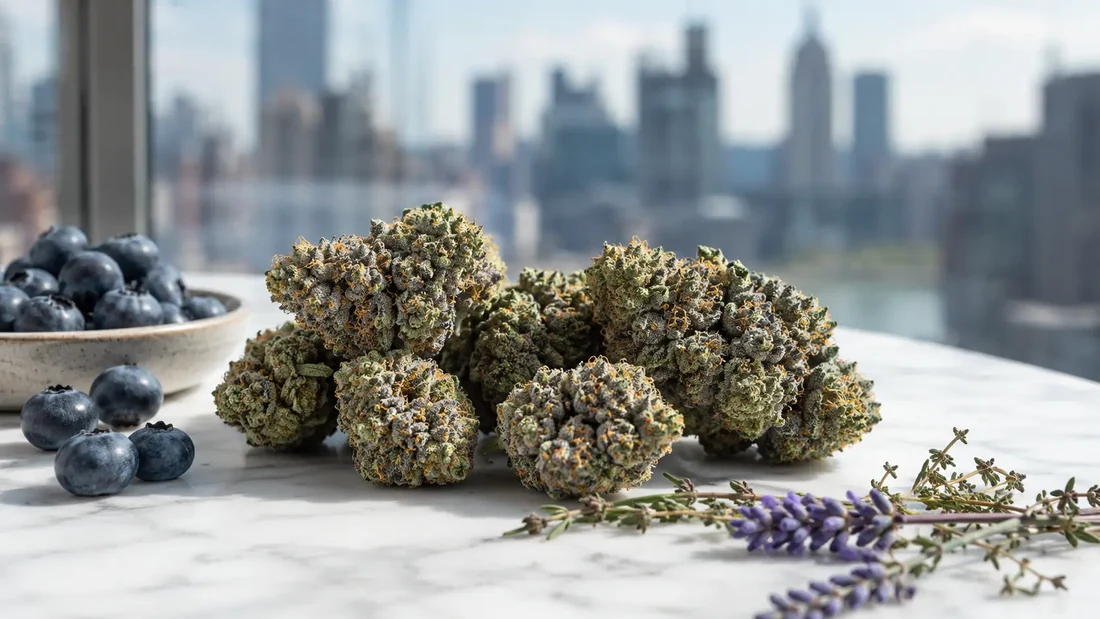
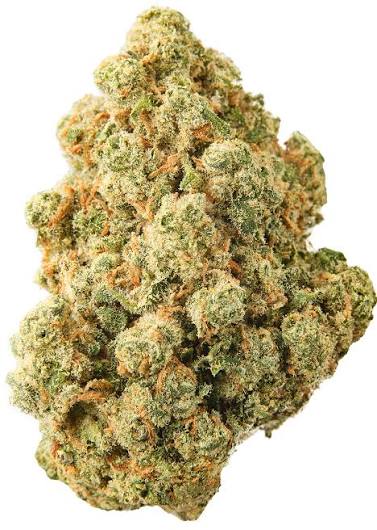
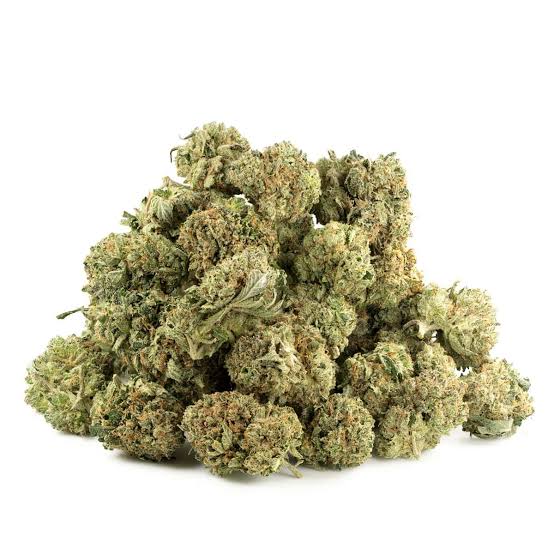
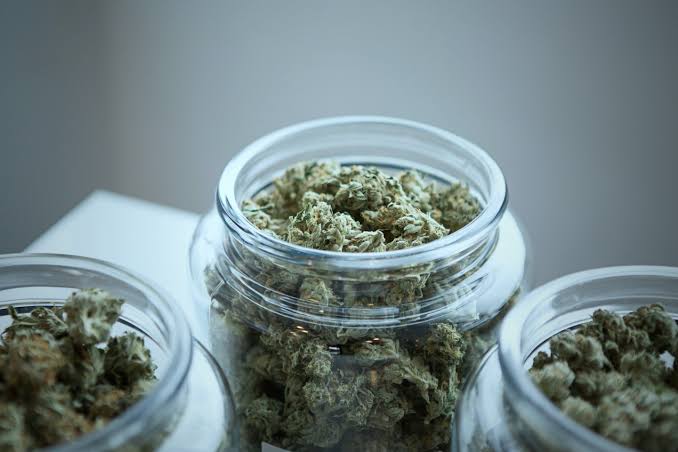
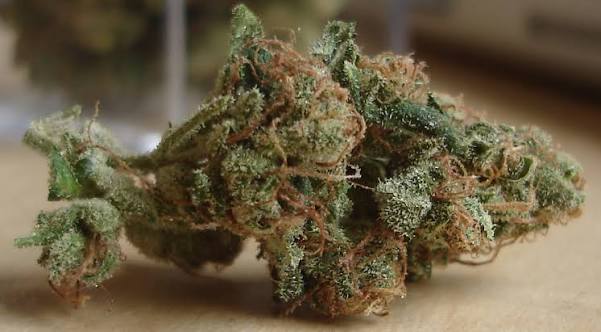
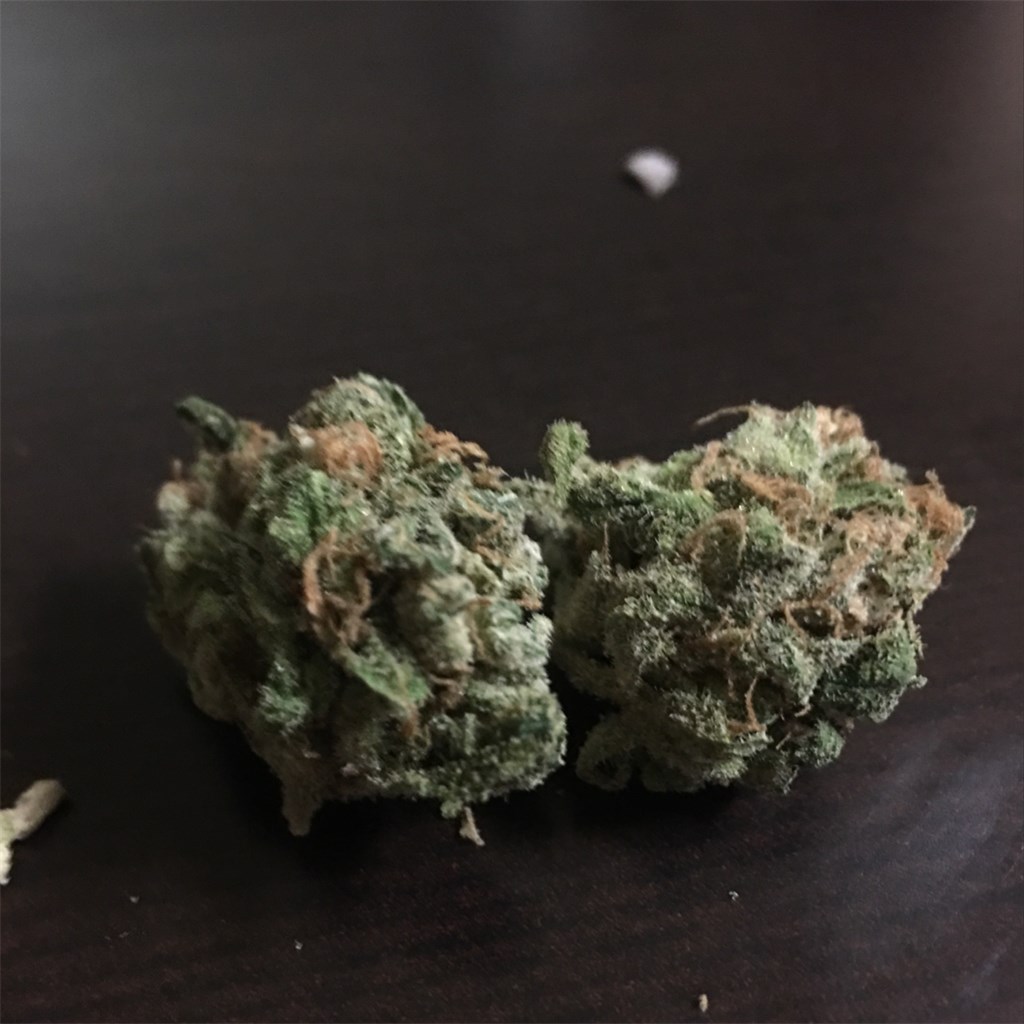
BUD, commonly referred to as cannabis flower, describes the dried flowering material of the cannabis plant. Cannabis flowers contain a complex mixture of cannabinoids, terpenes, flavonoids, and other naturally occurring plant compounds. The exact chemical composition varies according to the cannabis cultivar, genetics, cultivation conditions, harvesting, processing, storage, and batch-specific characteristics.
From a scientific perspective, cannabis bud is best understood by examining its measurable cannabinoid and terpene profile rather than treating the term as a standardized pharmaceutical formulation. Different cannabis flowers can contain substantially different concentrations of tetrahydrocannabinol (THC), cannabidiol (CBD), minor cannabinoids, and aromatic compounds.
Cannabinoid Pharmacology
THC is the primary psychoactive cannabinoid found in many cannabis flowers. It acts mainly as a partial agonist at cannabinoid CB1 and CB2 receptors. CB1 receptors are widely distributed throughout the central nervous system and influence the release and activity of several neurotransmitters.
Activation of cannabinoid receptors can influence neurological processes such as memory, attention, mood, sensory perception, appetite, coordination, and the perception of time. CBD and other minor cannabinoids may also contribute to the overall biological characteristics of a cannabis sample.
Terpenes and Cannabis Flower
Terpenes are aromatic compounds found naturally in cannabis and many other plants. They contribute to the characteristic aroma and flavor profiles associated with different cannabis flowers.
Commonly studied cannabis terpenes include limonene, myrcene, pinene, linalool, and beta-caryophyllene. The concentration of these compounds can differ substantially between cultivars and batches. Although researchers are investigating potential biological interactions involving cannabinoids and terpenes, the effects of individual terpene profiles should not be assumed solely from a product's name or aroma.
Reported Effects
The effects associated with cannabis flower depend primarily on its chemical composition, particularly its THC concentration, as well as individual biological factors. Reported effects may include changes in mood, sensory perception, appetite, attention, memory, and coordination.
- Changes in mood or subjective perception
- Altered sensory experiences
- Changes in attention and concentration
- Changes in appetite
- Relaxation or drowsiness
- Temporary impairment of memory and coordination
Some individuals may experience unwanted effects including anxiety, dizziness, confusion, paranoia, nausea, or increased heart rate.
Potential Side Effects and Risks
THC-containing cannabis can temporarily affect cognitive and motor performance. Acute exposure may reduce attention, slow reaction time, affect coordination, alter judgment, and interfere with short-term memory.
Cardiovascular effects can also occur. THC may temporarily increase heart rate, while some individuals may experience dizziness or changes in blood pressure. The intensity of these effects varies according to the individual and the chemical characteristics of the cannabis product.
THC Concentration and Product Variability
One of the most important considerations when evaluating cannabis flower is variation in cannabinoid concentration. Two samples that are both described as cannabis bud can have substantially different THC and CBD levels.
| Characteristic | Scientific Importance |
|---|---|
| THC | Primary psychoactive cannabinoid and an important contributor to impairment. |
| CBD | Non-intoxicating cannabinoid that contributes to the overall chemical profile. |
| Minor cannabinoids | May contribute to the broader pharmacological profile and remain an active research area. |
| Terpenes | Contribute to aroma and are being investigated for possible biological effects. |
Dependence and Cannabis Use Disorder
Repeated exposure to cannabis can result in tolerance, meaning the body's response to THC may change over time. Some individuals can develop cannabis use disorder, which involves problematic cannabis use and difficulty controlling or reducing use.
People who develop dependence may experience withdrawal symptoms after stopping regular cannabis exposure. Reported symptoms can include irritability, sleep difficulties, appetite changes, restlessness, anxiety, and difficulty concentrating.
The likelihood of problematic cannabis use varies between individuals and can be influenced by frequency of exposure, THC concentration, age, personal vulnerability, and other factors.
Laboratory Testing and Cannabis Research
Laboratory testing can provide more reliable information about the chemical composition of a cannabis flower sample. Testing may measure cannabinoids such as THC and CBD and, where available, provide information about terpene concentrations.
This is particularly important because common terms such as “bud,” “flower,” or a particular strain name do not guarantee a standardized cannabinoid profile. Scientific evaluation should therefore rely on analytical measurements rather than assumptions based solely on appearance, name, or aroma.
Cognitive and Developmental Considerations
Cannabis research has examined the effects of THC on attention, learning, memory, coordination, and other aspects of cognitive function. Acute effects can vary substantially between individuals.
Age is also an important consideration. The brain continues developing throughout adolescence and young adulthood, and researchers have investigated associations between frequent cannabis exposure during these developmental periods and cognitive or mental-health outcomes.
Conclusion
Cannabis bud is the flowering material of the cannabis plant and contains cannabinoids, terpenes, and other naturally occurring compounds. THC is the primary psychoactive cannabinoid in many cannabis flowers and interacts with the endocannabinoid system, particularly CB1 receptors in the brain.
Because cannabis flower is not a standardized pharmaceutical preparation, products described simply as “bud” may differ considerably in their cannabinoid and terpene composition. Laboratory testing and evidence-based scientific research therefore provide a more reliable basis for understanding the characteristics and potential risks of a particular cannabis sample.