Hemp
$0.00
$0.00
Description
Hemp: Cannabis Plant Biology, Cannabinoids, Uses & Safety
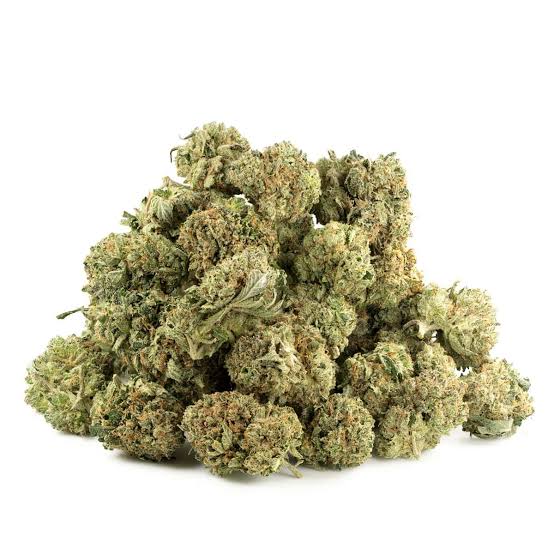
Hemp refers to varieties of the Cannabis sativa plant that are cultivated primarily for industrial, agricultural, nutritional, and other non-intoxicating applications. Hemp is closely related to other cannabis varieties but is generally distinguished by its naturally low concentration of delta-9-tetrahydrocannabinol (THC), the cannabinoid primarily responsible for cannabis intoxication. The exact legal definition of hemp, including permitted THC concentrations, can vary by jurisdiction.
From a scientific perspective, hemp is an important plant because it contains cannabinoids, terpenes, fatty acids, proteins, fiber, and numerous other naturally occurring compounds. Researchers study hemp for applications in agriculture, nutrition, materials science, pharmacology, biotechnology, and cannabinoid chemistry.
Hemp Plant Biology
Hemp belongs to the Cannabis genus and is an annual flowering plant. Different cultivars have been developed for different agricultural purposes, including fiber production, seed production, grain, oil, and cannabinoid research.
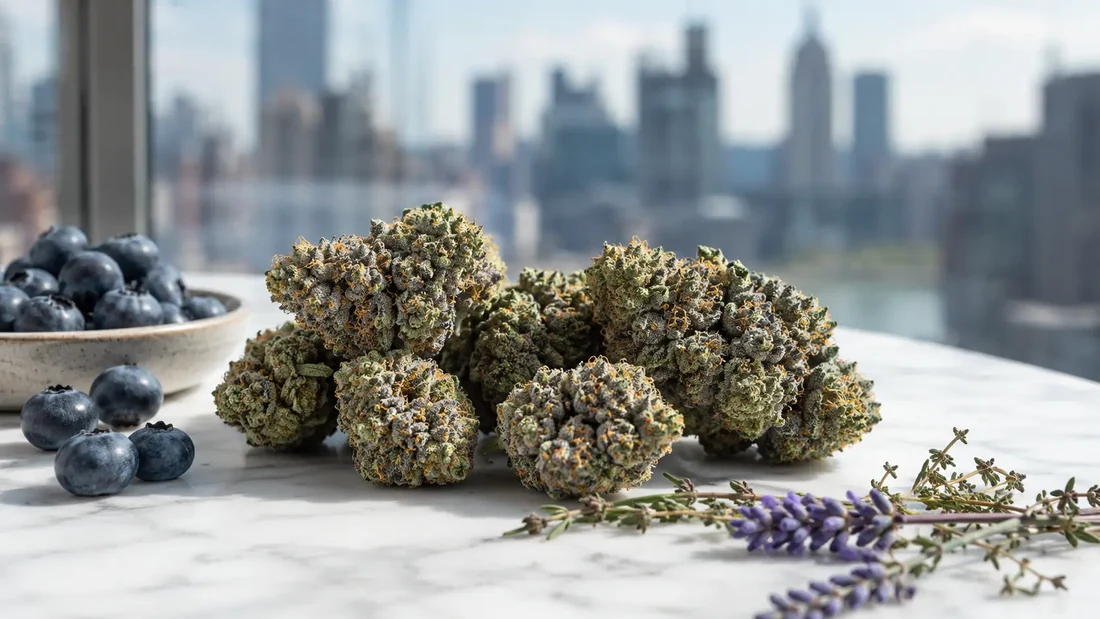
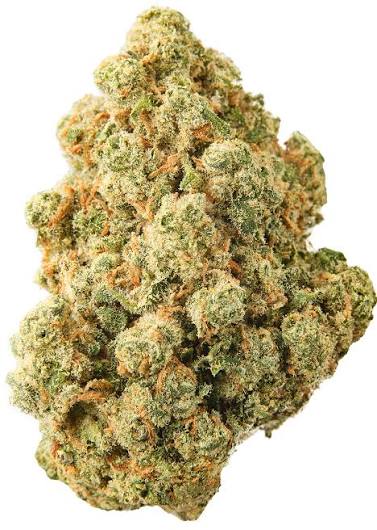
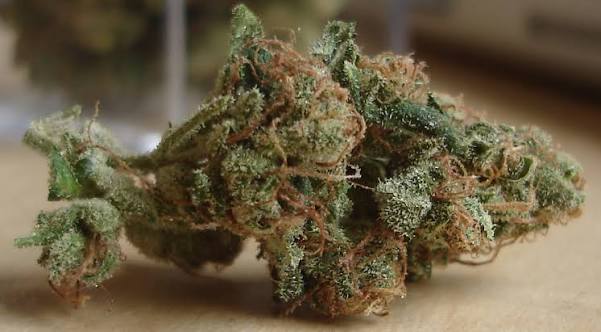
The plant contains several types of specialized structures and compounds. Glandular trichomes can produce cannabinoids and terpenes, while the stalk contains fibrous material that has historically been used for textiles, paper, construction materials, and other industrial applications.
Cannabinoids in Hemp
Hemp can contain a range of cannabinoids, including cannabidiol (CBD), cannabigerol (CBG), cannabinol (CBN), and trace amounts of THC. The concentrations of these compounds depend on genetics, cultivation conditions, plant maturity, processing, and other factors.
CBD has attracted considerable scientific interest because it interacts with biological systems differently from THC and does not produce the same intoxicating effects associated with THC. Researchers continue to investigate cannabinoid receptors, endocannabinoid signaling, and the potential physiological effects of individual cannabinoids.
Industrial and Agricultural Applications
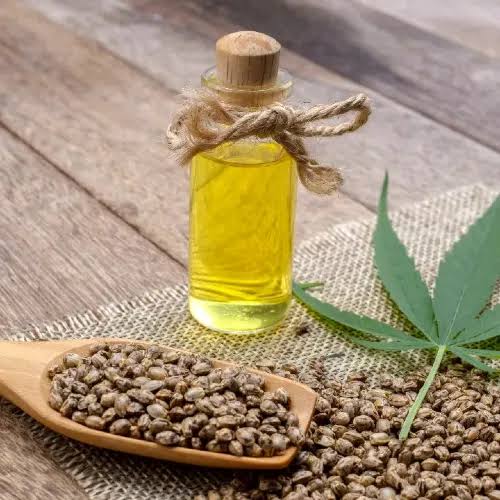
Hemp has a long history of agricultural use. Its fibers can be processed into textiles, ropes, paper products, composites, insulation materials, and other industrial products. Hemp seeds can also be processed into food ingredients and oils containing proteins and unsaturated fatty acids.
Hemp-derived materials are therefore relevant to research beyond pharmacology. Agricultural scientists study hemp genetics, crop performance, environmental requirements, fiber characteristics, seed composition, and sustainable production systems.
Hemp-Derived Cannabinoid Products
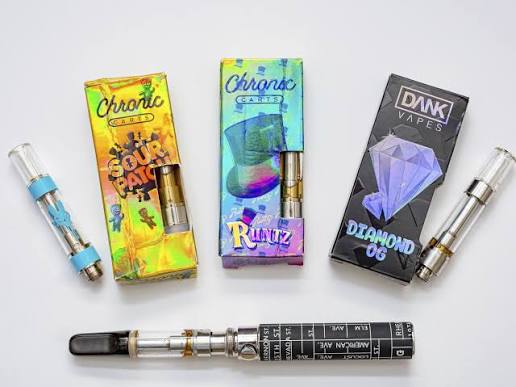
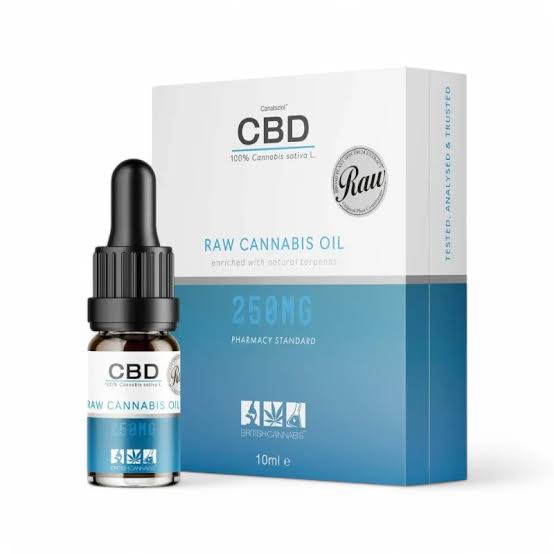
Some hemp-derived products are developed specifically for their cannabinoid content. These may contain CBD or other cannabinoids, but their composition can vary significantly depending on extraction, purification, formulation, and manufacturing practices.
A product described as hemp-derived should not automatically be assumed to have a particular cannabinoid concentration. Laboratory testing is important for determining the actual chemical profile of a specific product.
Potential Health and Safety Considerations
Hemp plant material and hemp-derived products are not chemically identical. Their effects and safety profiles depend on which parts of the plant are used, the cannabinoids present, the formulation, and the quality of the finished product.
CBD-containing products may interact with certain medications because cannabinoids can influence drug-metabolizing enzymes and other biological pathways. Individuals taking prescription medicines should discuss cannabinoid-containing products with a qualified healthcare professional.
Product contamination and inaccurate labeling are additional concerns in poorly controlled markets. Independent laboratory analysis can help identify cannabinoid concentrations and detect certain contaminants.
Hemp, THC, and Regulatory Definitions
The distinction between hemp and other cannabis categories is often based on THC concentration rather than the botanical name alone. Regulations differ between countries and may establish specific limits for THC in plants, extracts, foods, cosmetics, or other hemp-derived products.
Because regulations can change, information about the legal status of hemp-derived products should be evaluated using current regulations applicable to the relevant location.
Hemp Research
Scientific research involving hemp covers a broad range of disciplines. Plant scientists investigate genetics and cultivation, chemists characterize cannabinoids and terpenes, nutrition researchers examine hemp seeds and oils, and pharmacologists study cannabinoid interactions with biological systems.
Research is also examining potential environmental applications of hemp, including its use as a source of renewable fibers and plant-based materials. These investigations contribute to a broader understanding of hemp as an agricultural and industrial resource.
Hemp vs. Marijuana
| Feature | Hemp | Other Cannabis Varieties |
|---|---|---|
| Typical purpose | Industrial, agricultural, nutritional and cannabinoid applications | May be cultivated for different cannabinoid profiles |
| THC concentration | Generally low under applicable legal definitions | Can vary considerably |
| CBD | May be present depending on cultivar | Varies by cultivar |
| Major applications | Fiber, seeds, oil, materials and research | Varies according to cultivar and intended application |
Conclusion
Hemp is a versatile cannabis plant category with important agricultural, industrial, nutritional, and scientific applications. Hemp plants can contain cannabinoids such as CBD and trace amounts of THC, along with terpenes, fatty acids, proteins, and other plant compounds.
For scientific evaluation, it is important to distinguish the plant itself from specific hemp-derived formulations because chemical composition can vary considerably. Continued research into hemp genetics, cannabinoids, agricultural applications, materials, nutrition, and safety is helping expand understanding of this historically important plant.