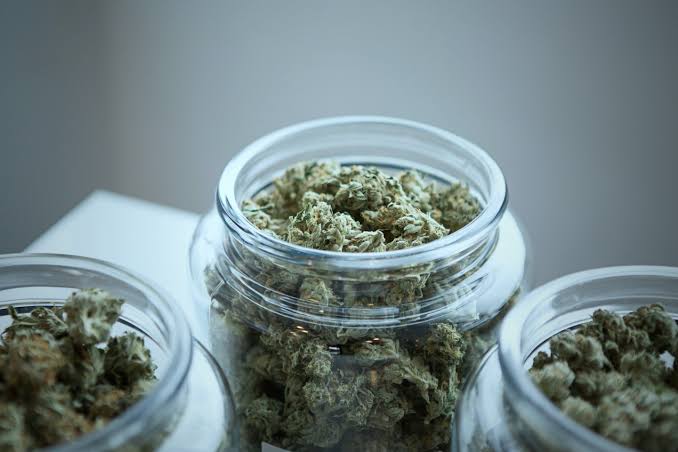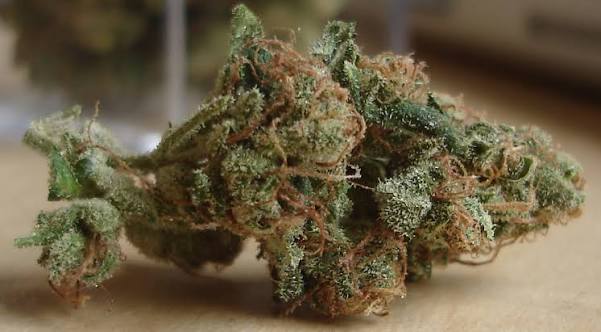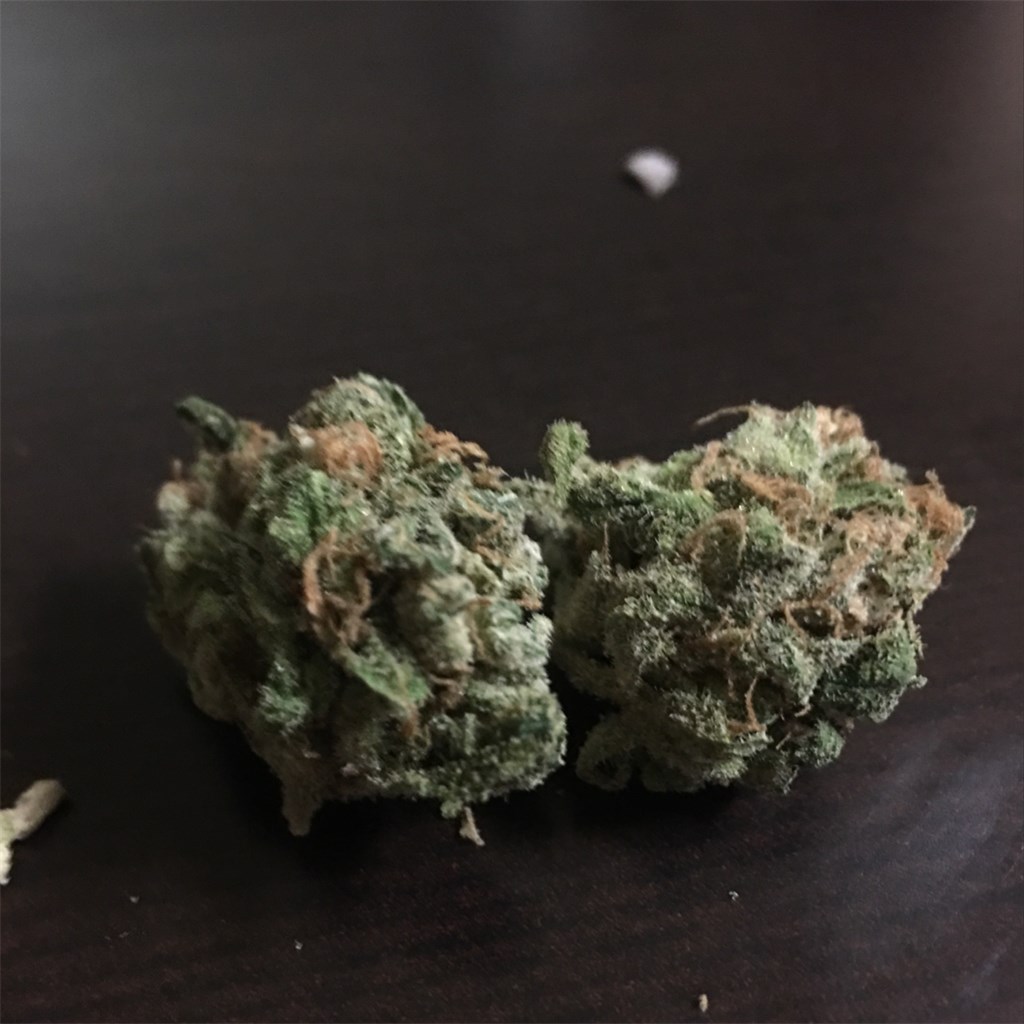
Hash
$0.00
$0.00
Description
Hash: Cannabis Resin, Cannabinoid Pharmacology, Risks & Safety
Hash, commonly known as hashish, is a cannabis-derived material made primarily from the resin-rich trichomes of the cannabis plant. These trichomes contain cannabinoids such as tetrahydrocannabinol (THC) and cannabidiol (CBD), as well as terpenes and other naturally occurring plant compounds. The chemical composition of hash can vary substantially depending on the cannabis cultivar, production method, storage conditions, and batch.
From a scientific perspective, hash is important because it provides a concentrated form of cannabis-derived cannabinoids. Research into cannabis resin and its constituents helps scientists understand how cannabinoids interact with the human endocannabinoid system, the brain, and other physiological systems.
Cannabinoid Pharmacology
The primary psychoactive cannabinoid associated with cannabis resin is THC. THC interacts with cannabinoid receptors, particularly CB1 receptors in the central nervous system and CB2 receptors found predominantly in immune and peripheral tissues. Activation of these receptors can influence neurotransmitter release and several physiological processes.
CBD has a different pharmacological profile and does not produce the same psychoactive effects as THC. Other cannabinoids and terpenes may also contribute to the overall chemical characteristics of cannabis-derived products. Because the concentrations of these compounds vary between samples, the pharmacological profile of hash cannot always be predicted from its name alone.
Reported Effects
Cannabis products containing THC may affect perception, attention, memory, coordination, reaction time, mood, and the sense of time. Some individuals may experience relaxation or altered sensory perception, while others may experience anxiety, impaired concentration, dizziness, or other unwanted effects.
The effects of cannabis-derived products can vary according to cannabinoid composition, individual biology, previous exposure, age, health status, and other factors. A product described simply as “hash” therefore does not represent a standardized chemical formulation.
Potential Side Effects and Risks
THC-containing cannabis products can produce short-term cognitive and psychomotor impairment. Possible adverse effects may include dizziness, drowsiness, impaired attention, anxiety, changes in perception, increased heart rate, and temporary problems with memory or coordination.
Higher exposure to THC may increase the likelihood of unpleasant psychological effects, particularly in people who are sensitive to cannabis or who have certain underlying mental-health vulnerabilities. Cannabis exposure has also been associated with an increased risk of cannabis use disorder in some individuals.
Product Variability and Laboratory Testing
One of the most important considerations when studying hash is its chemical variability. Different samples may contain substantially different concentrations of THC, CBD, minor cannabinoids, and terpenes. Processing and storage conditions can also influence the stability of some compounds.
For scientific and analytical purposes, laboratory testing is important because visual appearance, aroma, or product names cannot reliably establish cannabinoid concentrations. Analytical techniques such as chromatography can be used to characterize cannabinoid and terpene profiles.
Effects on the Brain and Body
The endocannabinoid system participates in several physiological processes, including neurotransmission, appetite, memory, pain signaling, and immune regulation. THC can alter signaling through cannabinoid receptors and consequently influence multiple functions of the nervous system.
Acute cannabis exposure may affect cognitive performance and motor coordination. Research continues to investigate the short- and long-term effects of repeated exposure, including potential effects on memory, attention, mental health, and dependence.
Dependence and Cannabis Use Disorder
Repeated exposure to THC-containing cannabis products can lead to tolerance and, in some individuals, cannabis use disorder. Cannabis use disorder involves problematic cannabis use that can interfere with daily responsibilities, relationships, or other areas of functioning.
Scientific research suggests that risk can vary according to frequency of exposure, age at initiation, THC potency, individual susceptibility, and other environmental or psychological factors. Understanding these factors is important for researchers studying cannabinoid-related health outcomes.
Research Importance
Hash and other cannabis-derived materials are relevant to research in pharmacology, toxicology, neuroscience, public health, and analytical chemistry. Researchers study cannabinoids to better understand receptor signaling, potential therapeutic applications, adverse effects, dependence, and differences between cannabis products.
Modern analytical methods also allow researchers to examine the cannabinoid and terpene composition of cannabis-derived materials more precisely. Such work can help distinguish standardized pharmaceutical preparations from products with variable chemical composition.
Health and Safety Considerations
Anyone researching cannabis-derived products should recognize that product names do not guarantee a standardized composition. THC concentration, the presence of other cannabinoids, contaminants, and manufacturing quality can vary considerably.
Cannabis can also interact with certain medicines and may not be appropriate for everyone. Individuals with medical conditions or concerns about cannabis exposure should discuss those concerns with a qualified healthcare professional.
Conclusion
Hash, or hashish, is a cannabis-derived resin containing cannabinoids such as THC and CBD together with terpenes and other plant compounds. Its pharmacological effects are primarily related to cannabinoid activity within the endocannabinoid system, while its chemical composition can vary significantly between samples.
Understanding hash from a scientific perspective requires consideration of cannabinoid pharmacology, product variability, potential cognitive and cardiovascular effects, dependence risk, and broader safety considerations. Continued research and laboratory characterization remain important for understanding cannabis-derived products and their effects on human health.