DANK VAPES
$0.00
$0.00
Description
DANK VAPES: Cannabis Vape Products, Cannabinoids, Risks & Safety
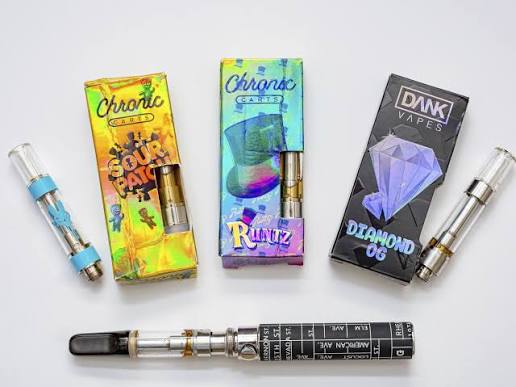
DANK VAPES is a name associated with cannabis vape products and cartridges that may contain concentrated cannabis extracts or cannabinoids such as tetrahydrocannabinol (THC) and cannabidiol (CBD). Products marketed under similar names may differ considerably in their actual chemical composition, manufacturing quality, cannabinoid concentration, and other ingredients.
From a scientific perspective, cannabis vaping is relevant to research in cannabinoid pharmacology, toxicology, respiratory health, analytical chemistry, and public health. Unlike standardized pharmaceutical preparations, commercially marketed cannabis vape products may have substantial variability, making laboratory characterization important when evaluating their composition and potential health effects.
Cannabinoids in Cannabis Vape Products
THC is the primary cannabinoid associated with the intoxicating effects of cannabis. It interacts with cannabinoid receptors, particularly CB1 receptors in the central nervous system. These receptors influence neurotransmitter signaling and several physiological processes involving cognition, memory, mood, coordination, and perception.
CBD is another major cannabinoid that has a different pharmacological profile from THC. Some cannabis vape formulations may contain CBD, THC, or combinations of cannabinoids. The precise cannabinoid profile depends on the formulation and manufacturing process.
Potential Effects of THC
THC-containing cannabis products can affect the central nervous system. Reported acute effects may include altered perception, impaired attention, changes in memory, drowsiness, anxiety, and reduced motor coordination.
The intensity and duration of effects can vary according to cannabinoid concentration, individual biology, previous exposure, and other factors. Because concentrated vape formulations can differ considerably in chemical composition, effects cannot reliably be predicted from a product name alone.
Respiratory Health Considerations
Vaping introduces an aerosol into the respiratory system rather than producing smoke through conventional combustion. However, this does not mean that cannabis vaping is risk-free. Aerosols can contain cannabinoids, solvents, flavoring compounds, thermal degradation products, or other substances depending on the formulation and device.
Research into cannabis vaping has examined respiratory symptoms and potential lung-related effects. The composition of the aerosol is influenced by the ingredients, device characteristics, heating conditions, and manufacturing quality.
Product Quality and Contamination
One major scientific concern with cannabis vape products is product variability. A cartridge or vape product may contain cannabinoids together with carrier substances, flavoring compounds, residual solvents, or other ingredients.
Inadequately manufactured products may also present contamination concerns. Analytical testing can help identify cannabinoids, residual compounds, heavy metals, microbial contamination, and other substances that may be relevant to product safety.
THC Concentration and Product Variability
Cannabis extracts used in vape products can have substantially different cannabinoid concentrations. Two products carrying similar names may therefore have very different chemical profiles.
| Factor | Why It Matters |
|---|---|
| THC concentration | Influences the potential psychoactive and physiological effects |
| CBD concentration | Can change the overall cannabinoid profile |
| Additives | May influence aerosol composition and respiratory exposure |
| Manufacturing quality | Can affect purity, consistency, and contamination risk |
| Laboratory testing | Helps characterize cannabinoids and potential contaminants |
Neurological and Cognitive Effects
THC can influence brain regions involved in memory, attention, coordination, reward, and perception. Acute exposure may therefore affect cognitive and motor performance.
Repeated exposure to THC-containing cannabis products may also be associated with tolerance and cannabis use disorder in some individuals. Research continues to investigate how frequency of exposure, cannabinoid potency, age, and individual susceptibility influence these outcomes.
Dependence and Cannabis Use Disorder
Regular exposure to THC-containing cannabis products can lead to tolerance, and some individuals may develop cannabis use disorder. This condition involves problematic cannabis use that can interfere with responsibilities, relationships, education, work, or other areas of life.
Risk is not identical for everyone. Factors such as age, frequency of exposure, THC concentration, individual vulnerability, and mental-health factors can influence the likelihood of problematic use.
Importance of Laboratory Analysis
Laboratory analysis is particularly important for concentrated cannabis vape products because appearance and product names cannot establish chemical composition. Analytical techniques such as chromatography can be used to identify and quantify cannabinoids.
Additional testing may be used to evaluate residual solvents, heavy metals, microbial contamination, and other potentially relevant compounds. Quality-control testing is therefore an important component of research into cannabis vape products.
Public Health Considerations
Cannabis vaping has become an important area of public-health research because of increasing availability of concentrated cannabinoid products. Researchers investigate patterns of exposure, respiratory outcomes, cognitive effects, dependence, product quality, and differences between regulated and unregulated products.
Young people are an especially important population in cannabis research because the brain continues developing through adolescence. Scientific and public-health organizations therefore emphasize avoiding cannabis exposure during adolescence.
DANK VAPES and Scientific Research
Products marketed under names such as DANK VAPES can be relevant to research examining cannabis concentrates, cannabinoid pharmacology, aerosol chemistry, toxicology, and product quality. However, a commercial brand or product name should not be treated as evidence of a standardized formulation.
Research-quality evaluation requires characterization of the actual material being studied. This may include cannabinoid analysis, assessment of other ingredients, and examination of potential contaminants.
Conclusion
DANK VAPES refers to a category of cannabis vape products that may contain concentrated cannabinoids such as THC or CBD. Their chemical composition and manufacturing quality can vary substantially, making product characterization important from both scientific and public-health perspectives.
Research into cannabis vaping continues to examine cannabinoid pharmacology, cognitive effects, respiratory exposure, dependence, aerosol chemistry, contamination, and long-term health outcomes. Understanding these products requires consideration of their complete chemical profile rather than relying solely on branding or product names.